Glass Mosaic Pool Tile Dallas
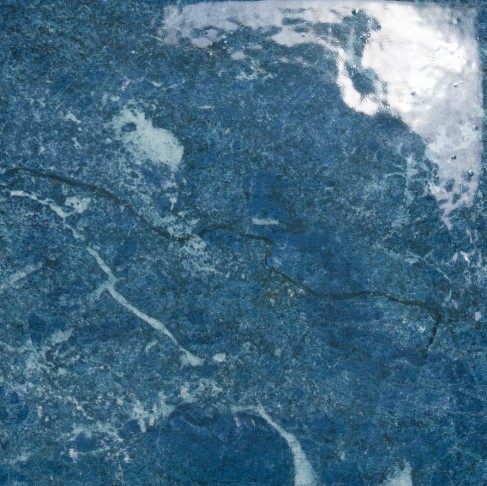
Luxury Glass Mosaic Tiles for Dallas Pools and Interiors
Glass Mosaic Pool Tile Dallas brings luminous color, refined detail, and sophisticated visual movement to residential and commercial spaces where water, architecture, and carefully selected materials come together. Glass mosaic can create a distinctive finish for pools, raised spas, waterlines, bathrooms, showers, kitchen backsplashes, and selected architectural features throughout Dallas projects.
Stonelinegroup offers glass mosaic selections for homeowners, designers, builders, architects, and trade professionals seeking expressive surfaces for modern and luxury environments. Reflective qualities, compact mosaic scale, and coordinated color palettes can help create spaces that feel polished, dimensional, and thoughtfully connected.
Glass Mosaic Pool Tile Dallas for Indoor and Outdoor Applications
Glass mosaic gives designers a detailed surface option for indoor and outdoor environments when the selected product is appropriate for the intended application. Its smaller scale can create contrast beside larger architectural materials while introducing reflection, color, and visual depth without requiring every surrounding surface to become decorative.
In exterior environments, glass mosaic can be considered for swimming pool waterlines, raised spa faces, selected pool features, outdoor kitchen accents, entertainment walls, firepit surrounds, columns, fireplace walls, and raised walls where product specifications and installation requirements support the application. It can also coordinate with decking and coping materials to create a complete outdoor composition rather than treating the pool as an isolated feature.
Indoor applications can include bathroom walls, shower details, niches, vanity backsplashes, kitchen backsplashes, beverage stations, bars, powder rooms, and selected feature walls. Mosaic introduces a finer visual scale between cabinetry, countertops, flooring, fixtures, and larger wall surfaces, allowing designers to add character without overwhelming the architecture.
People researching mosaics dallas may be looking for materials that add personality while maintaining a polished overall composition. A carefully selected mosaic can become a subtle connecting element between different finishes or function as a focal surface that gives a restrained environment greater visual identity.
Glass mosaic can be especially useful when a design needs controlled detail rather than a large pattern. A narrow band, waterline, niche, vertical panel, or selected feature area can create meaningful visual impact while allowing stone, porcelain, wood tones, plaster, and other dominant surfaces to remain calm.
Pool Design, Waterlines, Raised Spas, and Water Features
Pool environments provide one of the strongest settings for the visual qualities of glass mosaic. Water, daylight, pool lighting, surrounding materials, and viewing angles can influence how the mosaic appears, allowing a carefully chosen surface to contribute movement and dimension to the entire outdoor environment.
Clients comparing pool tiles dallas should consider the complete pool palette rather than selecting a waterline material independently. Coping, decking, pool finish, exterior architecture, landscape elements, outdoor furniture, and adjacent features all influence whether a particular mosaic feels integrated after installation.
A glass mosaic waterline can establish a clear visual transition between the water and the surrounding pool structure. Depending on the selected color family, the material can quietly complement the water or establish a stronger contrasting border. Either direction can work when it supports the architecture and broader material palette.
For homeowners researching pool tiles in dallas, raised spas can provide another opportunity for a more prominent mosaic application. Extending a coordinated material from the waterline onto selected spa surfaces can connect the two water features while giving the raised structure additional visual presence.
Mosaic can also be considered for selected water features when the particular product and installation system are appropriate. Repeating one carefully selected glass material across related pool elements can create consistency and prevent the outdoor environment from becoming fragmented by too many unrelated finishes.
Color selection should consider more than the appearance of a dry sample. Blues, aquas, greens, neutrals, lighter shades, darker shades, and mixed palettes can produce very different impressions once they interact with water, pool finishes, sunlight, surrounding materials, and artificial lighting.
Stonelinegroup helps clients consider glass mosaic as one component of the overall pool environment. The objective is to choose a material that works with the water, coping, decking, architecture, and outdoor living features instead of evaluating the mosaic independently from the completed project.
Bathroom and Shower Applications
Bathrooms can benefit from the reflective and detailed character of glass mosaic, particularly when designers want contrast between larger surfaces and smaller decorative elements. When a selected product is suitable for wet-area use, mosaic can be considered for shower walls, niches, vanity areas, and other carefully planned accents.
A full shower feature can create a strong visual statement, while a smaller application may produce a quieter and more refined result. Shower niches, vertical accents, vanity backsplashes, or framed sections can introduce color and texture without competing with every other surface in the room.
Searches for dallas mosaic tiles can represent a wide variety of design preferences because glass mosaic is not limited to one aesthetic. Depending on the selection, it can complement contemporary bathrooms, transitional interiors, spa-inspired spaces, neutral palettes, or more expressive luxury environments.
Lighting deserves attention because reflective surfaces respond differently to natural daylight, vanity lighting, recessed fixtures, and other illumination. Evaluating the mosaic in relation to the planned lighting can help determine whether its color and visual movement support the intended bathroom atmosphere.
A successful bathroom composition should also consider surrounding wall material, flooring, plumbing fixtures, vanity finishes, mirrors, and hardware. Compatible undertones and balanced proportions allow mosaic to provide detail while preserving a cohesive overall environment.
Kitchen Backsplash and Interior Accent Applications
Kitchen backsplashes allow glass mosaic to function as both a connecting material and a decorative feature. Positioned between countertops and cabinetry, the mosaic introduces a different visual scale and can help coordinate major kitchen elements that might otherwise feel separate.
Clients researching mosaic tiles dallas may be working with white cabinetry, warm wood tones, dark cabinets, stone or quartz counters, metallic hardware, or mixed finishes. A thoughtfully chosen glass mosaic can complement these combinations when color, reflectivity, grout, and scale are considered together.
In kitchens with understated cabinetry and countertops, mosaic can provide additional personality and movement. In spaces where counters or cabinetry already have strong visual characteristics, a quieter glass composition may create a more balanced result and prevent unnecessary competition between surfaces.
People searching for mosaic tile dallas should also consider how a selection reads from different viewing distances. Individual pieces may appear highly detailed when examined closely, while the complete backsplash should still function as a coherent architectural surface when viewed from across the kitchen or adjoining room.
Glass mosaic can also be considered for coffee stations, beverage centers, bar areas, display niches, and selected entertainment walls. Repeating a related material in strategic areas can create continuity while allowing each space to retain its own purpose and visual identity.
Material Character, Reflection, and Visual Depth
Glass interacts with light differently from many opaque materials. Depending on the specific product, mosaic surfaces may appear luminous, reflective, layered, translucent, softly varied, or visually crisp. These qualities can give a relatively small installation substantial visual presence.
Technical characteristics, finish, manufacturing details, dimensions, origin, and application suitability should not be assumed without verified information for the specific product. Every selection should be evaluated according to its documented characteristics and the requirements of the intended environment.
Clients searching glass pool tile Dallas are often interested in the relationship between glass and water. A surface can appear different when dry or wet, and shade, direct sunlight, pool lighting, water color, and surrounding reflections may all affect its perceived tone and depth.
The compact scale of mosaic can also provide useful contrast against larger architectural surfaces. A pool surrounded by broad decking and coping areas can gain a more detailed edge from a carefully selected glass waterline without requiring multiple decorative finishes throughout the entire outdoor area.
Interior projects can use the same principle. A bathroom dominated by larger surfaces may gain visual depth from a mosaic shower niche, while a kitchen with broad countertop and cabinetry planes can use a glass backsplash to introduce finer detail and reflection.
Effective design depends on determining where this visual energy adds value. Glass does not need to dominate a project; strategic placement can allow reflective areas to become highlights while quieter surfaces continue to define the main architectural framework.
Durability, Installation, Care, and Maintenance
Long-term performance starts with selecting a material that is appropriate for its intended application. Pool waterlines, submerged areas, raised spas, exterior features, showers, backsplashes, and decorative interior walls can have different technical requirements, so suitability should be confirmed for the specific product.
Installation methods and setting materials should also correspond to the selected glass mosaic and project conditions. Because mosaics create detailed surfaces with numerous joints, careful preparation and professional installation can have a significant influence on consistency and final appearance.
Grout selection is both an aesthetic and practical part of the design. A contrasting grout may emphasize the individual mosaic units, while a more closely related grout tone may allow the installation to read as a more continuous surface. The final choice should support the intended visual result.
Maintenance should follow recommendations associated with the selected tile, grout, installation materials, and surrounding surfaces. Appropriate routine cleaning can help preserve the visual character of the installation while avoiding products or methods that may be incompatible with specific materials.
Pool maintenance involves more than cleaning the visible mosaic. Water conditions, professional pool care, installation quality, joints, and compatible materials all contribute to the long-term appearance and performance of the complete aquatic environment.
Clients evaluating glass mosaic tile Dallas should therefore consider verified suitability, installation planning, grout selection, maintenance expectations, and overall design context alongside appearance. A successful specification balances aesthetics with the requirements of the actual project.
Premium Pairings for Residential and Commercial Design
Glass mosaic can function effectively as a premium accent because it introduces a finer scale alongside larger architectural materials. Natural stone, porcelain, concrete-inspired surfaces, wood tones, plaster, cabinetry, and metal details can all benefit from a controlled reflective element.
In luxury pool environments, mosaic can act as a carefully selected finishing detail around water. A subtle neutral composition can support a restrained architectural palette, while stronger aquatic or contrasting colors can establish the pool as a more expressive visual centerpiece.
Clients exploring mosaics dallas for high-end projects should begin with the atmosphere they want to create rather than choosing color in isolation. Contemporary residences, resort-inspired pools, sophisticated outdoor retreats, entertainment-focused properties, and commercial environments can each require different material strategies.
For outdoor living environments, material continuity can extend beyond the pool. Selected mosaic details can be considered for raised spas, outdoor kitchens, TV walls, entertainment walls, firepits, columns, fireplace walls, and raised walls when verified product specifications support those applications.
Decking is particularly important because it can occupy a large visual area around a pool. Comparing mosaic selections with decking and coping helps reveal undertones and contrast, making it easier to determine whether the complete palette feels coordinated when viewed across the outdoor space.
When evaluating pool tiles dallas for premium residential projects, the relationship between small and large surfaces should remain intentional. Mosaic can provide detailed interest around the water while larger materials establish the primary architectural framework and create visual balance.
The same design discipline applies to pool tiles in dallas for hospitality, multifamily, and other commercial environments. Viewing distance, pool scale, repeated installations, lighting conditions, surrounding architecture, and adjacent finishes can influence how the selected mosaic reads across the completed project.
For dallas mosaic tiles used indoors, designers can coordinate glass with countertops, flooring, cabinetry, plumbing fixtures, hardware, and lighting. Exact matching is not always necessary; compatible undertones and thoughtful contrast can create a richer and more layered material composition.
Clients considering mosaic tiles dallas can also explore the relationship between reflective and matte surfaces. Glass used beside quieter materials can add dimension to a bathroom, kitchen, bar, or feature wall while allowing the larger surfaces to maintain visual calm.
For mosaic tile dallas feature applications, proportion is particularly important. Smaller units naturally create more detail, so surrounding materials should provide enough visual breathing room for the mosaic to feel deliberate rather than becoming one pattern among several competing elements.
Outdoor kitchens can also participate in the broader pool palette. When appropriate for the product, a selective mosaic detail can visually connect cooking and entertainment areas with the pool or raised spa while avoiding excessive repetition across every exterior surface.
TV walls and entertainment walls may provide another opportunity for coordinated materials. Repeating a related tone or glass character from the pool area can create continuity between separate functional zones and contribute to a more complete outdoor living design.
Firepits, fireplace walls, raised walls, and columns can similarly be treated as part of the overall architectural composition where suitable materials are specified. Coordinating these features with the pool palette helps prevent an outdoor environment from feeling assembled one feature at a time.
Creating a Cohesive Dallas Material Palette
A cohesive Dallas project begins with determining which materials should establish the primary architectural identity and which should act as accents. Glass mosaic is often most effective when it adds depth and reflection to selected areas while allowing larger surfaces to create the overall structure.
A contemporary property may combine a controlled glass palette with clean architectural lines and larger neutral materials. A more expressive pool environment may use stronger mosaic color to establish the water as a focal feature while surrounding materials remain quieter and provide visual balance.
For clients evaluating glass pool tile Dallas, reviewing samples alongside coping, decking, pool finishes, and exterior materials can provide a more realistic understanding of the final palette. A selection that appears attractive independently should also feel connected to the surfaces that will surround it.
The same process is valuable for interior applications. A kitchen backsplash can be evaluated beside countertops and cabinetry, while a shower mosaic can be considered with flooring, fixtures, vanity materials, and wall finishes before the final selection is made.
Glass can also help create subtle continuity between indoor and outdoor spaces. Related tones or reflective characteristics used selectively in a kitchen, bathroom, pool, spa, or entertainment area can establish connection without requiring every space to repeat an identical surface.
A second consideration for glass mosaic tile Dallas is long-term visual flexibility. Balanced color selections and controlled applications can continue to work as furniture, accessories, landscape elements, lighting, and other changeable components of a property evolve.
Stonelinegroup approaches mosaic selection as part of a larger architectural composition. Homeowners, designers, builders, architects, and other trade professionals can evaluate how individual selections relate to the broader project instead of making material decisions without surrounding context.
This approach is particularly valuable for properties containing multiple indoor and outdoor features. Pool waterlines, raised spas, outdoor kitchens, decorative walls, bathrooms, showers, and kitchen backsplashes can share related design characteristics while maintaining distinct identities.
Luxury Applications and Architectural Detail
Premium design does not require every surface to become decorative. A carefully positioned glass mosaic can create a stronger impression when it is surrounded by quieter architectural materials that allow its reflection, scale, and color to become noticeable at the appropriate moments.
A luxury pool may use mosaic primarily at the waterline and raised spa, allowing the water and architecture to remain dominant. Another project may use a more expressive glass composition to establish a resort-inspired atmosphere. The appropriate approach depends on the property and its broader design goals.
Bathrooms can follow the same hierarchy. A single shower wall, niche, or vanity backsplash can introduce a premium detail without requiring several unrelated patterns throughout the room. This allows the mosaic to become a purposeful feature rather than additional visual noise.
Kitchens and entertainment areas can use glass in a similarly selective way. A backsplash or bar feature can add reflection and dimension while cabinetry, countertops, furniture, and lighting establish the larger visual framework.
Commercial projects may also benefit from focused mosaic applications in pools, amenity spaces, hospitality environments, bars, bathrooms, and selected decorative areas. Material suitability and installation requirements should always be verified for the actual location and intended use.
For designers and builders managing larger projects, a consistent material language can help simplify complex environments. Related tones, scale relationships, and reflective characteristics can connect multiple spaces without requiring identical treatments in every area.
Outdoor architecture should also be considered from a distance. Pool materials, decking, raised spas, entertainment walls, outdoor kitchens, fireplaces, and other features may look balanced individually but should also form a coherent composition when viewed together across the property.
This wider perspective is where carefully selected mosaic can provide significant value. A relatively small amount of glass can establish a visual connection between water and architecture, adding a detailed finishing layer without competing with the primary design.
Designing for a Refined Finished Environment
The most successful material selections support both immediate visual impact and the overall character of the completed property. Glass mosaic can provide a memorable detail, but its color, placement, scale, surrounding materials, and lighting should work together rather than being considered separately.
For pools and spas, this means considering the water itself as part of the palette. The perceived appearance of mosaic can be influenced by pool finish, water depth, sunlight, shade, and lighting, so a design should account for how the installation may be experienced under changing conditions.
For interiors, the same principle applies to cabinetry, counters, flooring, fixtures, and illumination. Glass mosaic can bridge different materials, create a focal point, or introduce a subtle reflective layer depending on the needs of the room.
Outdoor living spaces benefit when pool and architectural materials are selected together. Coordinating the pool edge with nearby entertainment and cooking areas can create a more deliberate environment and strengthen the connection between individual outdoor functions.
Stonelinegroup supports a design approach in which mosaic is evaluated as part of the complete project. This makes it possible to select materials that contribute to the intended atmosphere while maintaining balance between decorative detail and larger architectural surfaces.
The result can be an environment that feels layered without becoming overly complex. Reflection, color, water, texture, and scale can work together to create a refined visual experience across residential and commercial settings.
Final Design Perspective
Glass mosaic can introduce luminous color, fine-scale detail, reflection, and architectural character to pools, raised spas, bathrooms, showers, kitchen backsplashes, outdoor kitchens, entertainment areas, and selected feature surfaces. Its strongest applications combine appropriate product selection with thoughtful pairing, verified installation requirements, and a clear overall material strategy.
For residential and commercial projects throughout Dallas, Stonelinegroup offers glass mosaic selections that can support contemporary, sophisticated, and luxury environments. Glass Mosaic Pool Tile Dallas can become the finishing element that connects water, architecture, interiors, and outdoor living while helping the complete project feel intentional, distinctive, and visually cohesive.