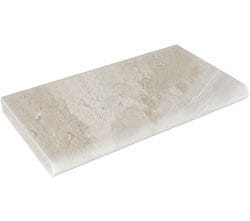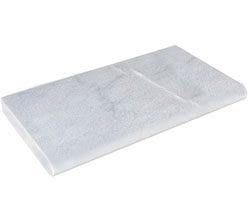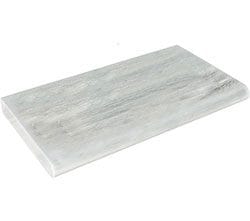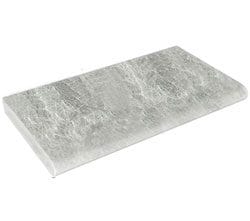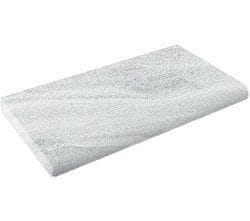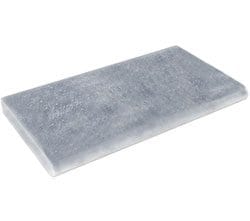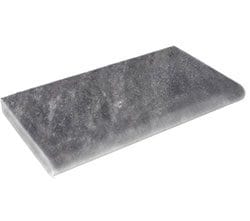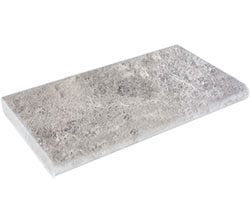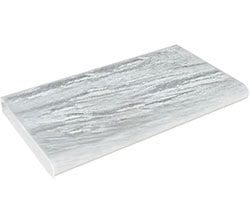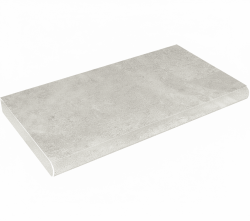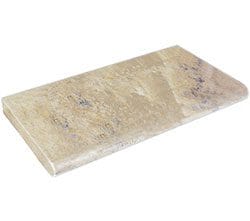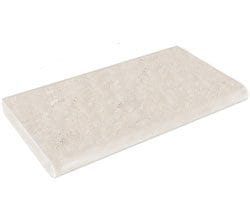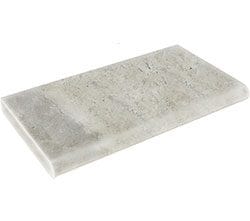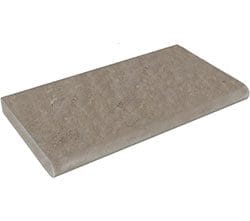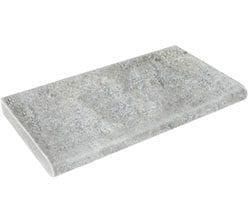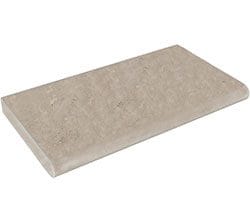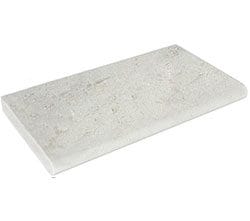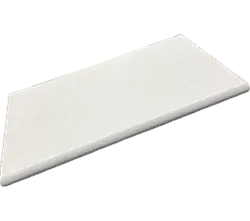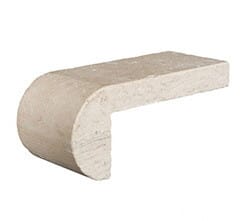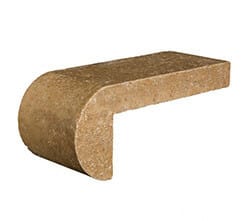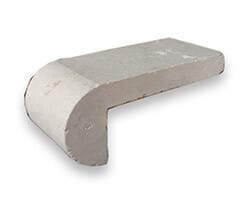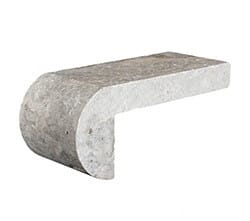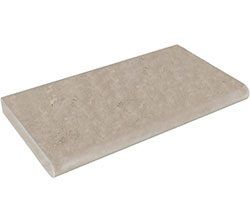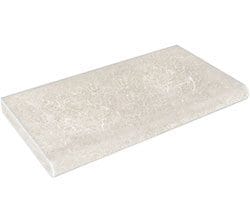
Sandblasted

Leathered

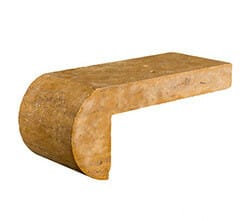
Sandblasted

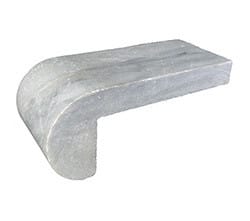
Leathered

Sandblasted

When it comes to pool edges, steps, and outdoor transitions, Natural Stone Copings offer unmatched durability and timeless elegance. Designed to finish and protect edges while enhancing aesthetics, these pieces are as practical as they are beautiful. Whether you’re designing a luxury pool deck, garden staircase, or outdoor patio, natural stone copings bring refinement, strength, and functionality to any project. In this article, we’ll explore six reasons why they’re the top choice for modern outdoor architecture.
Natural Stone Copings provide a smooth, rounded edge that creates a safe and visually appealing transition between surfaces. Commonly used around pools, they prevent sharp edges and improve comfort underfoot. Materials like Ice White Marble or Aurora Beige Paver offer clean, elegant finishes that complement any outdoor design.
Unlike synthetic materials, natural stone withstands years of exposure to sun, moisture, and heavy use without fading or cracking. Copings crafted from marble, travertine, or limestone retain their integrity and color over time, making them a wise long-term investment. Stoneline Group supplies top-quality stones that are resistant to heat and saltwater, perfect for Florida’s climate.
One of the key purposes of stone copings is to provide safety by reducing slip risks around pools and stairs. Their naturally textured or sandblasted finishes create traction while remaining smooth to the touch. Rounded bullnose and square-edge options ensure both style and practicality, depending on the design vision.
Copings tie together different outdoor elements — from pool decks and steps to walls and planters — ensuring visual harmony. They create clean borders that accentuate the geometry of the design. Pairing Natural Stone Copings with matching tiles or pavers from the same stone type, such as Tundra Grey Marble or Country Classic Travertine, ensures a cohesive aesthetic flow.
Available in multiple profiles — bullnose, eased edge, and straight cut — stone copings can be customized to fit any architectural style. Finishes such as honed, tumbled, or sandblasted allow designers to achieve the desired look and texture. Stoneline Group offers versatile coping options that coordinate perfectly with their extensive range of natural stone pavers and tiles.
As an environmentally responsible material, Natural Stone Copings are long-lasting and recyclable. They require minimal maintenance and reduce the need for synthetic replacements. For sustainable sourcing and authentic craftsmanship, DN Mermer provides premium marble, travertine, and limestone directly from Turkey’s leading quarries — ensuring both quality and environmental responsibility.
Stoneline Group specializes in luxury Natural Stone Copings that bring elegance and longevity to outdoor spaces. Their carefully selected stones combine craftsmanship, safety, and timeless beauty — ideal for residential and commercial projects.
Natural Stone Copings are the finishing touch that defines sophisticated outdoor architecture. With their combination of strength, safety, and aesthetic appeal, they elevate pools, patios, and landscapes into functional works of art. Partnering with Stoneline Group for design innovation and DN Mermer for authentic natural stone ensures every project stands out in both quality and beauty.
Elegant, durable, and naturally textured — Travertine Remodel Coping is a top choice for homeowners and designers looking to enhance the beauty and safety of existing pools and patios. Unlike traditional coping, remodel coping is specially designed to fit over existing concrete edges, offering a quick and seamless way to refresh outdoor spaces without major demolition. In this article, we’ll explore six key benefits of using travertine remodel coping for your next renovation project.
Travertine Remodel Coping is engineered for convenience. It features an extended lip that allows it to be installed directly over existing concrete or coping, minimizing labor and cost. This makes it an ideal solution for pool remodels or patio upgrades where full replacement isn’t necessary. You can browse elegant coping options in Stoneline Group’s travertine collection, where form meets functionality.
Travertine’s natural texture and soft beige tones create a timeless, organic look that enhances any outdoor environment. Each piece is unique, featuring natural variations that add depth and warmth. Popular shades like Country Classic or Aurora Beige bring sophistication and a Mediterranean charm to any pool or patio design.
One of the standout features of Travertine Remodel Coping is its ability to stay cool even under direct sunlight. This natural cooling property makes it perfect for poolside areas, where barefoot comfort is a must. Its porous composition allows heat to dissipate quickly, ensuring that the surface remains pleasant to the touch throughout hot summer days.
Safety is a top priority in any outdoor renovation, and travertine excels in this area. The naturally textured or tumbled surface of Travertine Remodel Coping offers excellent traction, even when wet. It provides a secure edge around pools and steps, reducing the risk of slipping while adding a refined aesthetic appeal.
Travertine is a durable material that withstands weathering, pool chemicals, and constant water exposure. With simple cleaning and occasional sealing, Travertine Remodel Coping maintains its natural color and integrity for decades. Its ability to resist cracking and fading makes it one of the most reliable materials for outdoor upgrades.
Travertine is an eco-friendly choice derived from natural processes. It’s long-lasting, recyclable, and requires minimal environmental impact during production. For authentically sourced and sustainably quarried travertine, DN Mermer offers premium options from Turkey’s renowned quarries, ensuring both ethical extraction and superior quality.
Stoneline Group provides high-quality Travertine Remodel Coping designed for easy installation and long-term performance. Their selection includes a variety of colors, profiles, and finishes, allowing you to find the perfect match for your remodeling project — whether residential or commercial.
Travertine Remodel Coping offers the perfect balance of style, safety, and practicality for pool and patio renovations. Its natural texture, cooling surface, and easy installation make it the ultimate choice for transforming existing spaces into timeless outdoor retreats. With premium materials from Stoneline Group and sustainable sourcing through DN Mermer, your next remodel will blend natural beauty with lasting performance.
When it comes to finishing the edges of pools, steps, or retaining walls, Stone Coping plays a crucial role in both aesthetics and functionality. These architectural elements protect structural edges, ensure safety, and create seamless transitions between materials. Whether made from marble, travertine, or limestone, coping stones define the character of outdoor spaces through precision and craftsmanship. In this article, we’ll explore six essential Stone Coping Details every designer, builder, and homeowner should know.
Stone Coping serves as the finishing element that protects the edge of pools, decks, or walls from water damage and wear. It directs rain or splash water away from structural surfaces, preventing erosion and deterioration. At the same time, it offers a polished edge that enhances visual flow. High-end suppliers like Stoneline Group design coping solutions that merge strength with elegance, ensuring long-term functionality and refined style.
Natural stone coping comes in various materials, each suited to specific environments and aesthetics. The most popular include:
For authentic, sustainable materials, DN Mermer supplies premium stone directly from Turkey’s leading quarries, combining ethical sourcing with exceptional quality.
Choosing the right coping profile enhances both form and function. The most common edge styles include:
These profiles can be customized to match other architectural elements, such as stairs, planters, or deck perimeters.
Standard coping thickness ranges from 1.25″ to 2″, depending on the application and material. Proper installation involves secure adhesion, alignment, and sealing to ensure durability. Expansion joints and drainage considerations are essential for outdoor use, especially in wet or humid climates. Always seal natural stone copings with a breathable, water-repellent sealer to maintain longevity and prevent staining.
For a cohesive look, coping stones should match or complement adjacent pavers and tiles. Pairing Stone Coping with Tundra Grey Marble Pavers or Aurora Beige Travertine ensures seamless transitions and balanced contrast. Matching finishes — honed, tumbled, or sandblasted — create unified visual harmony across the entire space.
Properly maintained stone coping can last for decades. Regular cleaning, resealing, and inspecting joints help preserve its appearance and structural integrity. Natural stone is resistant to UV exposure and weathering, making it a durable choice for outdoor installations. Partnering with reliable suppliers like Stoneline Group and sustainable producers such as DN Mermer ensures long-term value and performance.
Stone Coping Details play a crucial role in creating elegant, functional, and long-lasting outdoor spaces. From material selection to edge profile and installation, every detail contributes to both safety and beauty. With expertly crafted coping from Stoneline Group and authentic materials from DN Mermer, your next project can achieve timeless sophistication that blends form and function in perfect harmony.
Natural stone coping plays a critical role in modern pool and outdoor design, acting as both a functional edge and a defining aesthetic element. Positioned at the transition between pool water and surrounding deck surfaces, coping influences safety, comfort, durability, and overall visual harmony. In luxury residential and hospitality projects, natural stone coping is widely preferred for its timeless appearance, tactile quality, and long-term performance.
As pool design continues to evolve toward refined, resort-style environments, natural stone coping remains a foundational material choice. Its ability to blend seamlessly with water, stone paving, and architectural elements makes it indispensable in high-end outdoor living spaces.
Natural stone coping refers to the stone pieces installed along the top edge of a pool, spa, or water feature. This edge protects the pool structure, directs water away from the shell, and provides a comfortable surface for users. At the same time, coping frames the pool visually, making it one of the most noticeable components of the design.
Unlike manufactured alternatives, natural stone coping offers organic variation in color and texture, ensuring that each installation feels authentic and unique. This natural character is especially valued in luxury projects where craftsmanship and material quality are central to the design narrative.
Comfort is one of the key reasons designers select natural stone coping. Many natural stones, particularly lighter-toned marbles and limestones, remain cooler under direct sunlight compared to darker or artificial materials. This makes them more comfortable for barefoot use in warm climates.
Surface finishes such as honed or lightly textured treatments further enhance comfort while providing sufficient grip. These finishes help balance elegance and safety, a crucial consideration around wet pool edges.
The relationship between coping and pool interior finishes is central to successful pool design. Natural stone coping creates a smooth visual transition that enhances water color and clarity. Its neutral tones allow pool interiors to become the focal point without visual conflict.
Designers frequently pair natural stone coping with glass mosaic interiors such as
Curacao Glass Mosaic,
Blue Lagoon Glass Mosaic, or
Sapphire Glass Mosaic. This combination highlights the contrast between matte stone textures and shimmering water surfaces.
Natural stone coping is available in a variety of profiles and edge details, including bullnose, eased edge, and straight-cut designs. This versatility allows designers to tailor the coping to different architectural styles, from minimalist modern pools to classic or Mediterranean-inspired layouts.
In infinity-edge pools, natural stone coping enhances the visual effect of water extending toward the horizon. In more traditional designs, it provides a refined border that anchors the pool within the landscape.
Pool coping must withstand constant exposure to water, pool chemicals, temperature changes, and physical contact. Natural stone coping, when sourced from high-quality stone and installed correctly, offers excellent durability and longevity.
Proper installation practices—such as appropriate bedding, expansion joints, and sealing—are essential to long-term performance. When these standards are met, natural stone coping ages gracefully, developing character rather than showing premature wear.
In high-end residential environments, natural stone coping is often selected as part of a cohesive outdoor material palette. Designers use it to connect pool decks, patios, and walkways into a unified composition.
When coordinated with refined pool interiors such as
Super White Glass Mosaic, natural stone coping enhances the sense of continuity and luxury throughout the outdoor space.
Hotels, resorts, and wellness centers rely heavily on natural stone coping to create pool environments that feel both durable and upscale. In these settings, coping must withstand heavy use while maintaining its visual appeal.
The natural elegance of stone contributes to brand perception, helping hospitality projects deliver a premium guest experience that aligns with luxury expectations.
The success of any coping installation depends on material quality and sourcing. Premium projects often work with established stone producers such as DN Mermer to ensure consistent color, structural integrity, and reliable production standards. Trusted sourcing helps maintain uniformity across large pool installations and supports long-term performance.
Like all natural stone, natural stone coping benefits from routine maintenance. Periodic cleaning and sealing help preserve its appearance and protect it from staining or surface wear. With proper care, natural stone coping remains visually appealing for many years.
Natural stone coping is more than a functional pool edge—it is a defining design element that contributes to comfort, safety, and visual harmony. Its durability, versatility, and timeless beauty make it a preferred choice for luxury residential and hospitality pool environments. When paired with refined pool interiors and sourced from trusted producers, natural stone coping delivers lasting elegance and performance.
Stone coping is one of the most critical elements in pool construction and outdoor design. Positioned at the top edge of a pool, coping protects the pool shell, manages water overflow, and defines the visual boundary between water and deck. More than a technical component, stone coping is a design feature that directly impacts comfort, safety, and aesthetics.
In luxury projects, stone coping is selected not only for performance but also for its ability to frame water beautifully and unify surrounding materials.
Stone coping provides a finished edge that prevents water from seeping behind the pool structure while creating a comfortable surface for sitting and entry. Natural stone coping offers durability and timeless appeal that manufactured alternatives struggle to match.
Visually, coping defines the pool’s shape and style. Light stone coping enhances water brightness, while darker stones create contrast. Designers often pair stone coping with glass mosaic interiors such as Sapphire Glass Mosaic or Bahamas Glass Mosaic for a refined, high-end look.
Surface texture is essential. Stone coping can be finished to provide grip in wet conditions while remaining comfortable to sit or walk on. This balance is especially important in family and hospitality pools.
High-quality stone coping, when installed correctly with proper slope and drainage, withstands water exposure, chemicals, and climate changes. Trusted sourcing from suppliers such as DN Mermer ensures consistency and long-term performance.
Stone coping is both a functional necessity and a design statement. Its role in safety, durability, and visual framing makes it indispensable in luxury pool environments.
Stone coping is a critical component in pool construction, providing both functional protection and visual definition. Positioned at the pool edge, coping prevents water intrusion while creating a smooth, finished transition between pool and deck.
Stone coping protects the pool shell and manages overflow, helping maintain structural integrity.
Visually, coping frames the water surface. It is often paired with refined pool interiors such as Sapphire Glass Mosaic or Blue Lagoon Glass Mosaic.
Properly finished stone coping improves grip and provides a comfortable seating edge.
High-quality stone coping withstands water, chemicals, and climate when installed correctly.
Premium projects rely on suppliers such as DN Mermer for consistent stone quality.
Stone coping is both a functional necessity and a design feature that elevates pool environments.
Stone coping details are one of the most overlooked yet critical elements in pool and outdoor design. While the pool interior and deck material often receive the most attention, coping is the finishing edge that frames the water, protects the pool shell, and defines the overall aesthetic. Proper stone coping details ensure durability, comfort, and a high-end appearance that elevates the entire outdoor space.
In luxury pool construction, precision matters. The difference between an average pool and a premium one often comes down to the quality of the stone coping details.
Stone coping details impact both function and design. Functionally, coping protects the pool’s structural edge from water intrusion and helps direct splash water away from the pool shell. Visually, coping creates a clean transition between pool interior and deck, acting as a “frame” for the water surface.
Without proper detailing — including slope, edge profile, spacing, and joint alignment — even high-quality materials can appear poorly executed.
One of the most important stone coping details is the edge profile. Common options include eased edges, bullnose, half-bullnose, and custom-cut profiles. The right profile depends on the design direction and safety considerations.
Surface finish also plays a critical role. Textured or honed finishes typically provide better traction near water compared to polished surfaces. In pool environments, safety should always guide finish selection.
Proper slope is a structural necessity in stone coping details. Coping must be installed with a slight outward pitch to prevent water from flowing back toward the pool shell. This protects long-term structural integrity and reduces moisture-related issues.
Drainage planning must also integrate with the surrounding deck system to ensure water does not accumulate at transitions.
High-end stone coping details require clean joint alignment. Coping pieces should align precisely with deck pavers and follow the pool’s shape consistently. Poor joint spacing can disrupt visual flow and reduce the perceived quality of the installation.
In modern pool designs, continuous lines and symmetrical layouts reinforce architectural clarity.
The color and tone of coping significantly affect water appearance. Light coping brightens water color, while darker coping increases contrast. Coordinating stone coping details with pool interiors is essential.
For example, pairing neutral stone coping with Blue Lagoon Glass Mosaic enhances vibrant aqua tones. For a deeper luxury look, combining coping with Sapphire Glass Mosaic creates dramatic depth and contrast.
Stone coping details extend beyond pool edges. Raised spa walls, water features, and seating ledges often use matching coping materials to create cohesion. Using consistent edge treatments across these elements improves overall design harmony.
Correct installation is critical for long-term performance. Stone coping details must account for substrate preparation, expansion allowances, waterproofing, and adhesive selection. Inadequate installation can lead to shifting, cracking, or water damage.
Routine maintenance typically involves cleaning with pH-neutral solutions and inspecting joints for wear.
High-quality stone and precise cutting are essential for clean coping execution. Many premium projects rely on established suppliers such as DN Mermer to support consistent stone quality and production accuracy.
Stone coping details define the structural integrity and visual refinement of pool environments. From edge profile and slope to finish selection and joint alignment, careful detailing ensures a luxury result that lasts. When coordinated with premium glass mosaic interiors and quality stone sourcing, stone coping details transform a simple pool into a sophisticated architectural feature.
Stone coping is one of the most important finishing elements in pool and outdoor architectural design. Even though many people focus first on pool tile, deck pavers, or landscaping, coping is the line that visually frames the water and physically protects the pool edge. In other words, it is both a structural detail and a design statement. When selected correctly, stone coping improves safety, comfort, durability, and the overall luxury appearance of a project.
In high-end residential and commercial environments, stone coping is widely used because it creates a more refined transition between the pool shell and the surrounding deck. It also introduces a natural material that ages beautifully, holds visual value over time, and complements a wide range of pool finishes and hardscape styles.
The role of stone coping is often underestimated. Technically, coping protects the exposed top edge of the pool structure and helps guide splash water away from the shell when properly installed with the right pitch. Visually, it defines the perimeter of the pool and influences how the water is perceived. A bright coping can make the pool feel cleaner and more open, while a darker coping can create stronger contrast and a more dramatic look.
Because it sits directly at the water’s edge, coping becomes one of the most visible and frequently touched surfaces in the entire outdoor space. People sit on it, step on it, and visually read the pool through it. That is why material and finish selection are so important.
One of the biggest reasons designers prefer stone coping is that it gives the pool a finished, intentional, high-end appearance. Concrete edges may work functionally, but natural stone introduces character, subtle variation, and a softer architectural feel. This is especially important in modern outdoor spaces where every line and transition is expected to feel deliberate.
Stone coping can also connect the pool to the rest of the outdoor material palette. When the coping tone works with surrounding pavers, feature walls, and patio surfaces, the entire space feels more cohesive and luxurious.
The relationship between coping and the pool interior is one of the most important design decisions in outdoor architecture. Stone coping often acts as the bridge between deck materials and the reflective finish inside the pool. Because of this, it needs to coordinate with waterline tile, full mosaic interiors, and surrounding hardscape.
For example, if the design goal is a bright, tropical, resort-style pool, a neutral or light stone coping can pair well with Blue Lagoon Glass Mosaic to help amplify fresh aqua water tones. If the project aims for a deeper and more dramatic luxury look, coping can be paired with Sapphire Glass Mosaic to create stronger visual contrast and more depth in the water appearance.
For a brighter and cleaner overall palette, Super White Glass Mosaic can also work well with stone coping that has lighter tones and a more minimal finish.
Because the coping sits at the pool edge, safety is critical. A good stone coping choice should provide enough surface texture to help with grip while still feeling comfortable on bare feet and pleasant to sit on. Depending on the project, designers may specify honed, brushed, sandblasted, or lightly textured finishes to balance elegance and safety.
Comfort matters too. In warm climates, some natural stones can stay more comfortable under sunlight than darker or more heat-absorbing surfaces. This makes stone coping especially attractive for outdoor spaces that are used regularly during hot seasons.
Stone coping is available in multiple edge profiles, and each one changes the visual character of the pool. Bullnose coping creates a softer, more traditional pool edge. Straight-edge or eased-edge coping tends to look more contemporary and architectural. Larger-format coping can make the pool feel more modern and substantial, while narrower coping can feel more delicate and decorative.
These profile decisions matter because coping is not only a material choice but also a line-defining architectural detail. In luxury projects, that line needs to be precise and visually strong.
Stone coping is not limited to swimming pool edges. It is also used on raised spas, water feature ledges, outdoor seating walls, and decorative transitions throughout the landscape. Using the same stone coping material across multiple features helps unify the outdoor environment and creates a stronger sense of design continuity.
For example, if the pool coping, spa edge, and nearby raised feature wall all use the same material and edge detail, the outdoor space feels integrated rather than assembled from separate parts.
One of the strongest reasons to choose stone coping is durability. High-quality natural stone, when properly installed, can handle weather exposure, pool splash, cleaning routines, and daily use for many years. Proper installation includes correct slope, appropriate setting materials, expansion allowances where needed, and attention to drainage.
Routine care is also important. In most cases, this includes gentle cleaning, avoidance of harsh acidic products, and sealing if recommended for the specific stone type. With proper maintenance, stone coping can continue to look refined and structurally sound for a long time.
Because coping is such a visible and detail-sensitive part of a project, sourcing quality matters. Variations in size, finish, and tone can affect the final appearance of the pool edge. Many premium architectural projects rely on experienced natural stone suppliers such as DN Mermer to support reliable production standards, consistent material quality, and clean fabrication.
High-quality sourcing is especially important when multiple coping pieces must align visually across long edges, steps, corners, and water feature transitions.
Design trends change, but stone coping remains relevant because it offers something that synthetic materials often cannot: natural variation, authentic texture, and long-term visual value. Whether the project is modern, Mediterranean, coastal, or transitional, natural stone coping adapts well and continues to feel premium.
That flexibility is one of the reasons it remains a standard material in high-end pool and landscape construction.
Stone coping is one of the most important elements in pool design because it combines structure, safety, and visual refinement in a single material. It frames the water, protects the pool edge, supports comfort, and helps define the overall character of the outdoor environment. When coordinated with premium finishes such as Blue Lagoon Glass Mosaic, Sapphire Glass Mosaic, or Super White Glass Mosaic, stone coping becomes more than a pool edge — it becomes a defining architectural feature.