7 Reasons Modern Porcelain Surfaces Stay Popular in Contemporary Builds
Porcelain tiles are one of the most widely specified surfaces in modern residential and commercial projects because they offer strong performance, clean aesthetics, and design consistency. Designers often choose porcelain tiles when they need a material that resists moisture, handles daily wear, and delivers a predictable visual result—especially in high-traffic areas like kitchens, bathrooms, lobbies, and outdoor patios.
Modern architecture increasingly prioritizes materials that combine durability with visual simplicity, and porcelain continues to meet those expectations effectively. In both residential and commercial environments, designers appreciate the ability of porcelain surfaces to maintain their appearance over time while supporting contemporary layouts and minimalist design concepts.
What Makes Porcelain Tiles Different
Porcelain tiles are manufactured to be dense, durable, and low-absorption, which supports moisture resistance and easier maintenance. This is one reason porcelain tiles is common in bathrooms and kitchens. It also supports modern minimal design because the look stays consistent across large surface areas.
Compared to many alternative flooring and wall materials, porcelain tiles surfaces offer a refined appearance while requiring relatively low maintenance. Their dense composition helps them resist stains, scratches, and moisture exposure in environments where other surfaces may require more frequent care.
Porcelain tiles is also valued for its ability to mimic premium natural materials while maintaining production consistency. This makes it especially useful in large projects where architects want continuity across extensive floor plans or vertical wall installations.
Porcelain Tiles in Outdoor Areas
Outdoor-rated
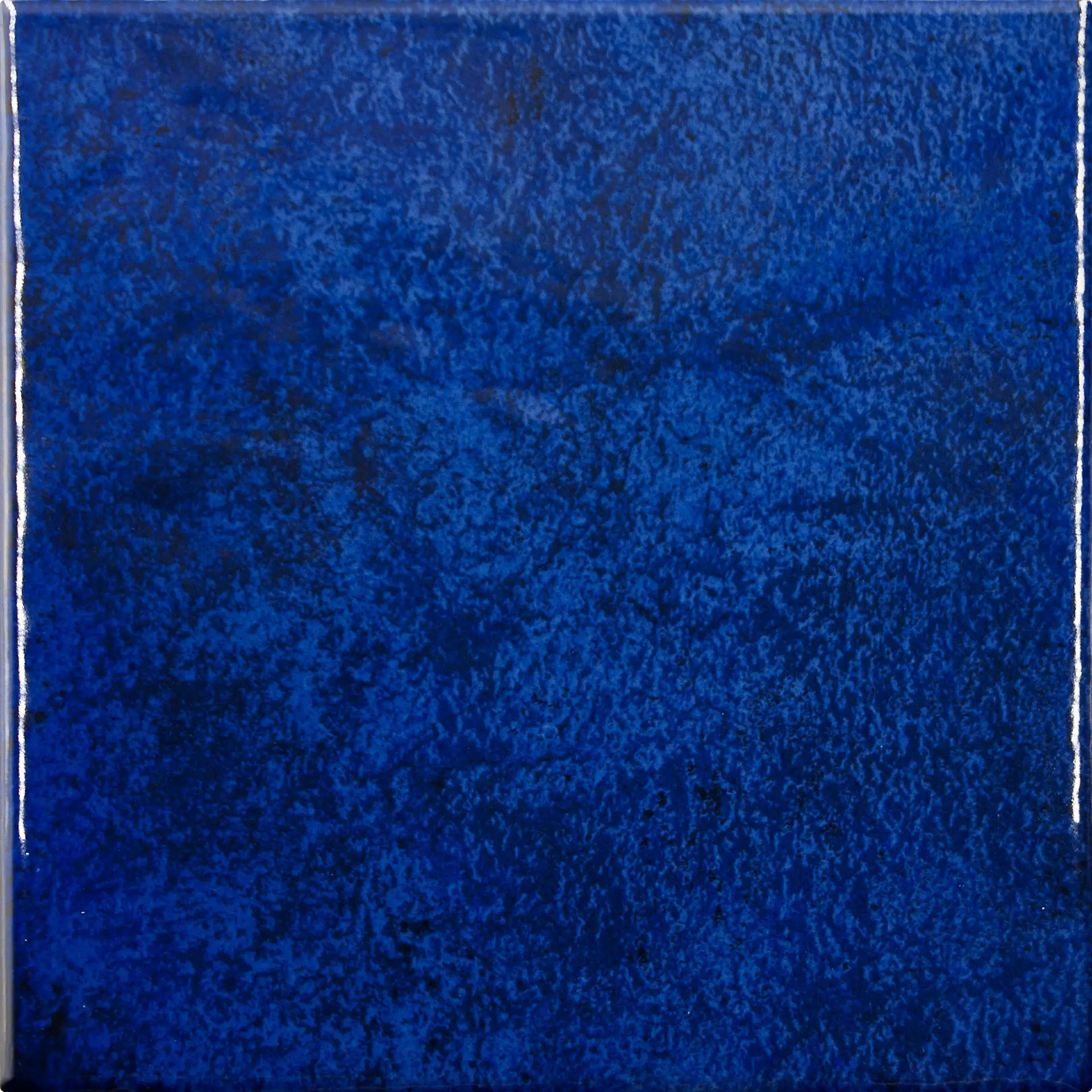
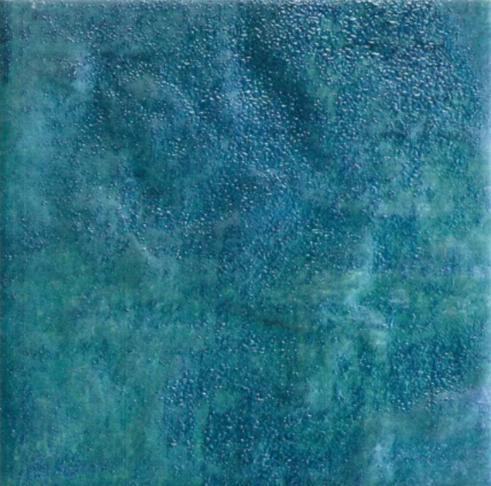
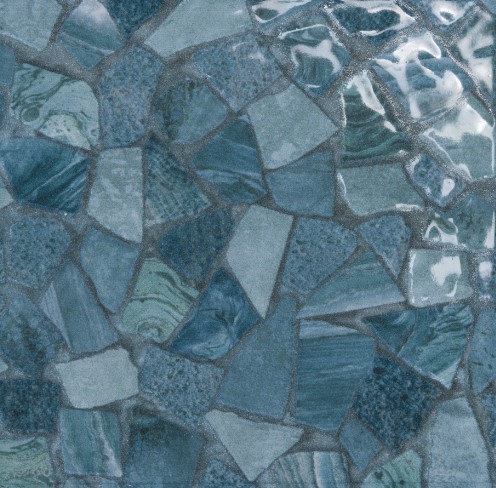
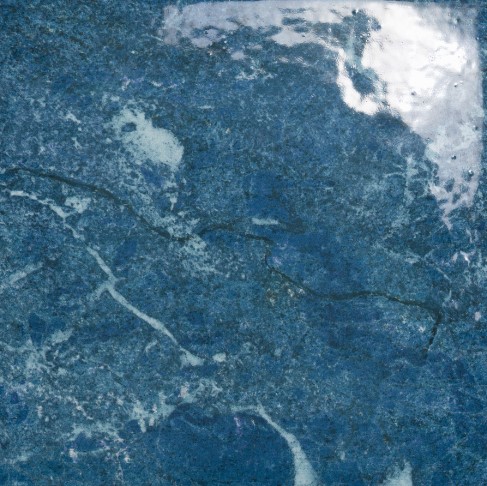
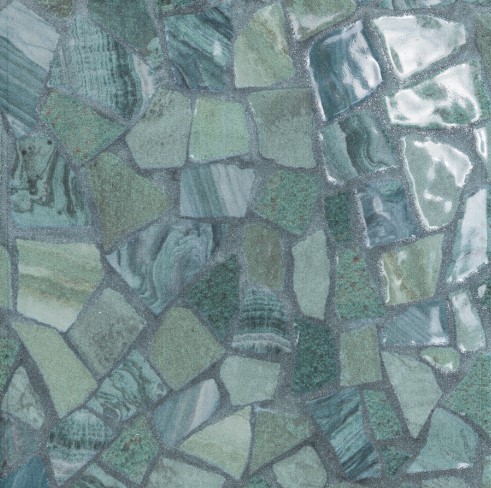
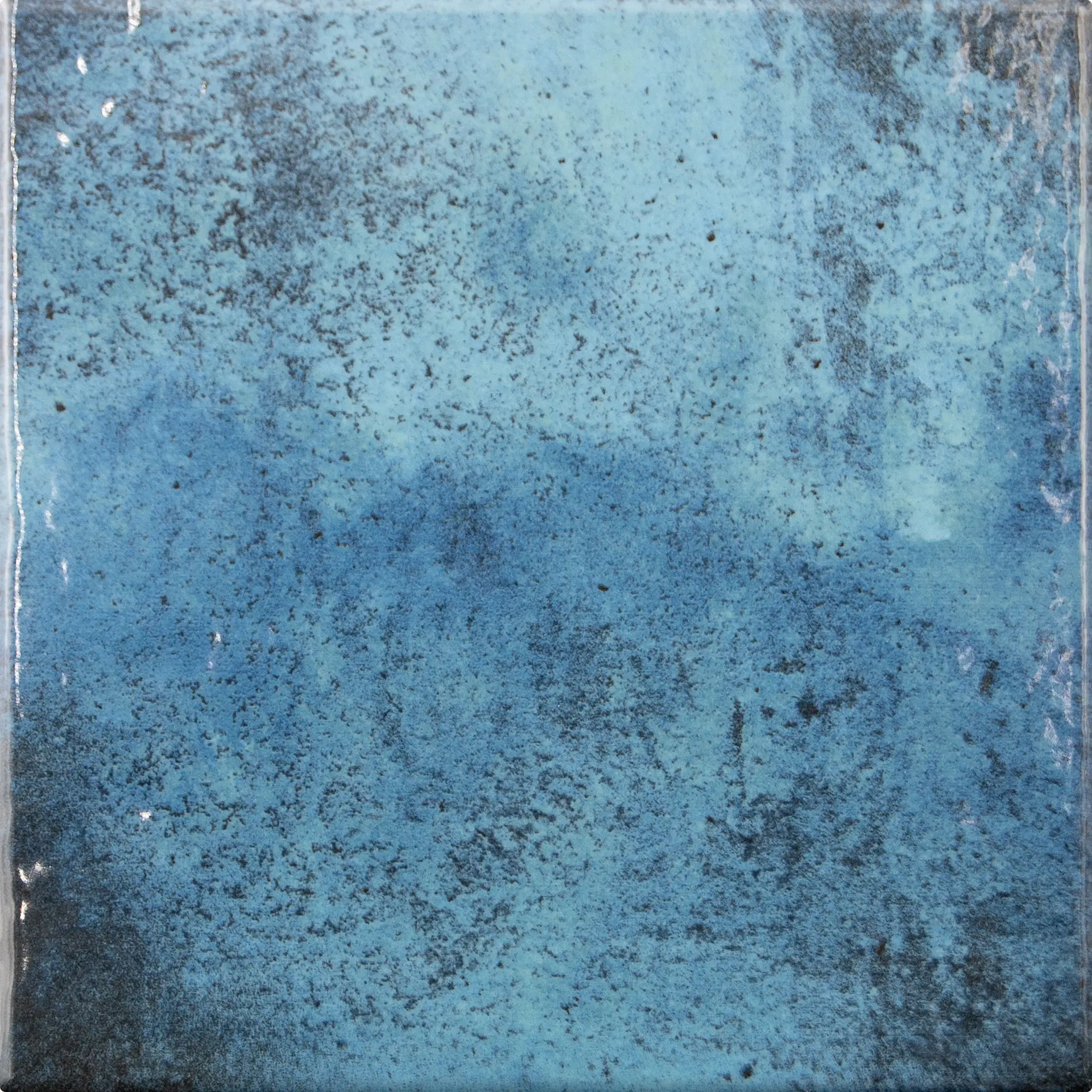
porcelain tile can be used on patios and terraces where a uniform look is desired. In luxury outdoor design, porcelain is sometimes paired with natural elements to avoid a “too perfect” feel. For example, a porcelain deck can be visually balanced by a shimmering pool interior like
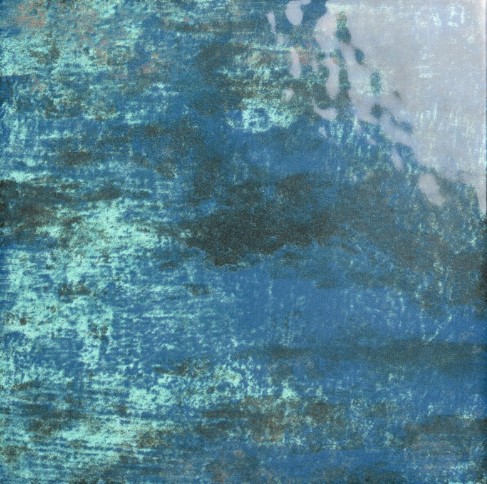
Blue Lagoon Glass Mosaic or a more refined tone like
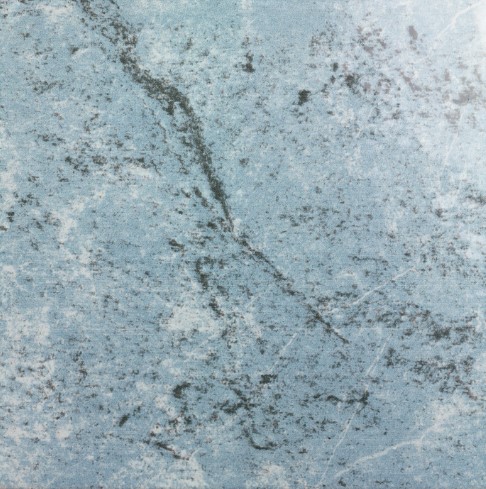
Curacao Glass Mosaic.
Modern outdoor living concepts frequently integrate porcelain surfaces into pool decks, entertainment areas, outdoor kitchens, and rooftop terraces because they help establish clean and sophisticated environments. Large-format porcelain pieces are particularly popular because they reduce grout visibility and create a more continuous architectural appearance.
Outdoor porcelain applications are often selected for projects where minimal maintenance and visual consistency are priorities. Designers also appreciate the flexibility porcelain offers in matching modern architectural palettes that emphasize neutral tones, concrete-inspired textures, or soft stone-like appearances.
Porcelain Tiles vs. Natural Stone
Many people compare
porcelain tile with natural stone. Porcelain provides consistency and easier cleaning, while natural stone provides authenticity, texture, and organic variation. In many luxury projects, the best result is not “either/or” but “both”—porcelain for performance zones, natural stone for signature features, and glass mosaic for water and reflective accents.
Natural stone often introduces warmth and visual movement that cannot be perfectly replicated, while porcelain offers stronger control over color consistency and installation uniformity. Because of this, architects frequently combine the two materials strategically rather than treating them as direct competitors.
For example, porcelain tiles may be used across expansive flooring areas while natural stone is reserved for statement walls, fireplaces, water features, or architectural transitions. This layered design approach creates more balanced and visually dynamic environments.
Design Flexibility
Porcelain tiles come in many styles—stone-look, concrete-look, wood-look, and large-format options—so they can match almost any architectural direction. For modern projects, large-format porcelain can reduce grout lines and create a cleaner look, which is often the goal in minimalist interiors.
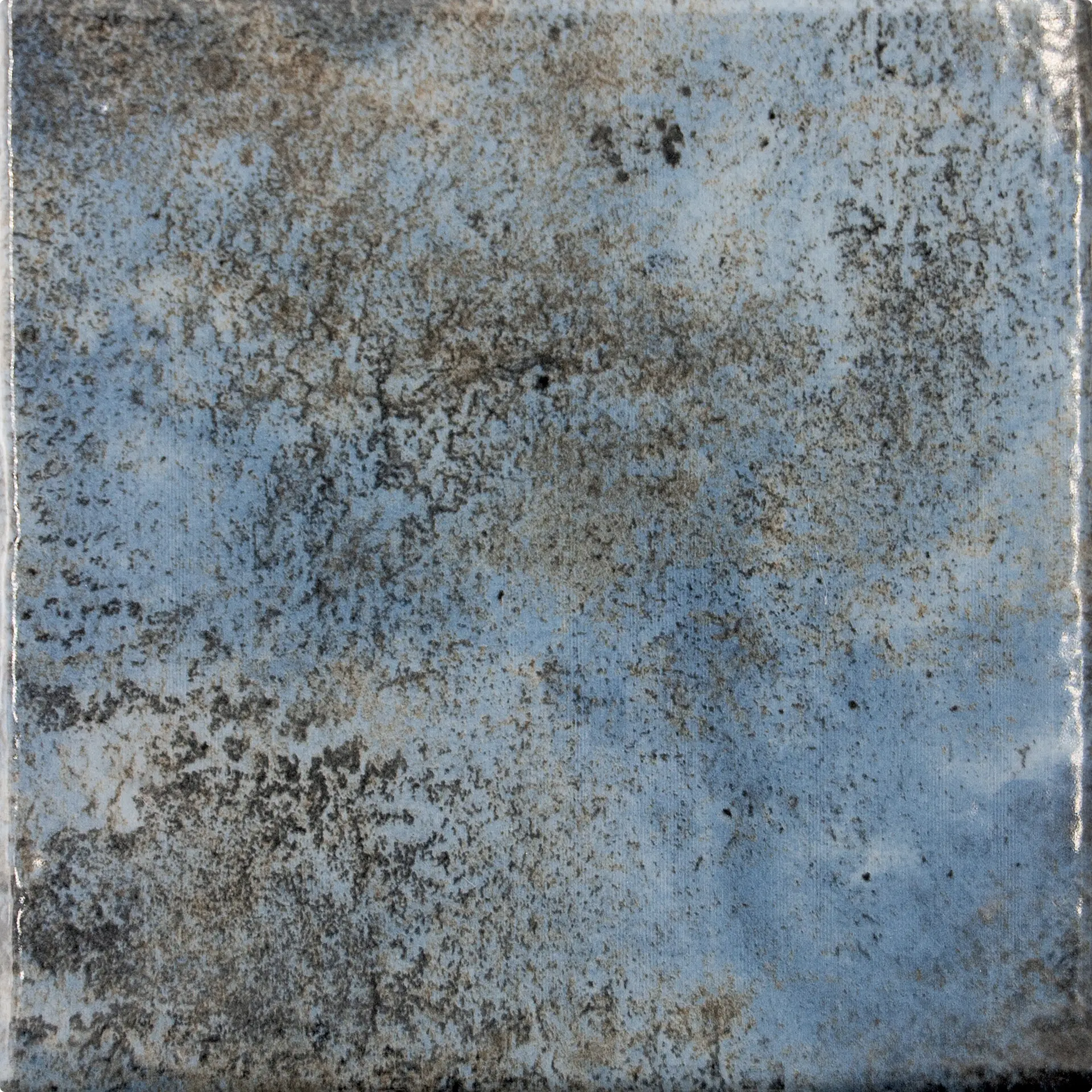
Design flexibility remains one of porcelain’s strongest advantages. Manufacturers now produce highly sophisticated textures and surface finishes that imitate marble, limestone, travertine, concrete, terrazzo, and even metallic effects. This allows architects to achieve premium aesthetics while maintaining practical performance requirements.
Because porcelain collections are available in multiple sizes and finishes, designers can use coordinated products across floors, walls, bathrooms, kitchens, and outdoor environments. This creates stronger visual continuity throughout residential and commercial spaces.
Porcelain in Commercial Spaces
Commercial projects frequently utilize porcelain surfaces because they support heavy foot traffic while maintaining a clean and professional appearance. Hotels, restaurants, retail spaces, office lobbies, and wellness centers often specify porcelain due to its balance of durability and design flexibility.
In hospitality design, porcelain can help create elegant environments that remain visually consistent despite constant public use. Restaurants and cafés also appreciate porcelain because it supports easier maintenance while still contributing to premium interior aesthetics.
Large-format porcelain surfaces are particularly popular in commercial environments where designers want seamless flooring with fewer interruptions. This creates a cleaner and more upscale visual effect in modern public spaces.
Maintenance and Long-Term Use
Porcelain is often chosen because it is low maintenance. Routine cleaning is typically simple, and the material resists staining better than many porous stones. That said, installation quality still matters: leveling, correct adhesives, and proper expansion allowances are important in large surface areas.
Long-term performance depends not only on the material itself but also on proper installation methods and environmental planning. Experienced installers understand the importance of substrate preparation, spacing requirements, and movement accommodation in larger applications.
Homeowners and commercial property owners frequently prefer porcelain because it delivers a polished appearance without requiring extensive maintenance routines. This makes it especially practical for busy environments where both aesthetics and efficiency matter.
Modern Architectural Trends
Contemporary architecture increasingly favors materials that create clean visual continuity and support open-concept layouts. Porcelain surfaces align naturally with these priorities because they help reduce visual clutter while maintaining refined texture and detail.
Minimalist interiors often use neutral porcelain tones combined with natural wood, black metal accents, integrated lighting, and glass elements to create balanced architectural compositions. Outdoor spaces similarly rely on porcelain to establish modern entertainment environments with consistent material transitions.
As architectural trends continue evolving toward timeless simplicity rather than highly decorative concepts, porcelain remains one of the most adaptable materials available for both residential and commercial design.
Conclusion
Porcelain tile remain a modern staple because they balance performance, style, and easy care. When paired thoughtfully with premium pool finishes like glass mosaic, porcelain can be part of a luxury design palette that feels clean, intentional, and long-lasting.
Their ability to support indoor and outdoor applications, contemporary architecture, and long-term durability makes porcelain one of the most practical and visually flexible surfaces available in modern construction and design.
For projects that also integrate natural stone supply and production standards, established partners such as
DN Mermer can support broader stone sourcing needs alongside tile-based design strategies.