Limestone Backsplash Dallas
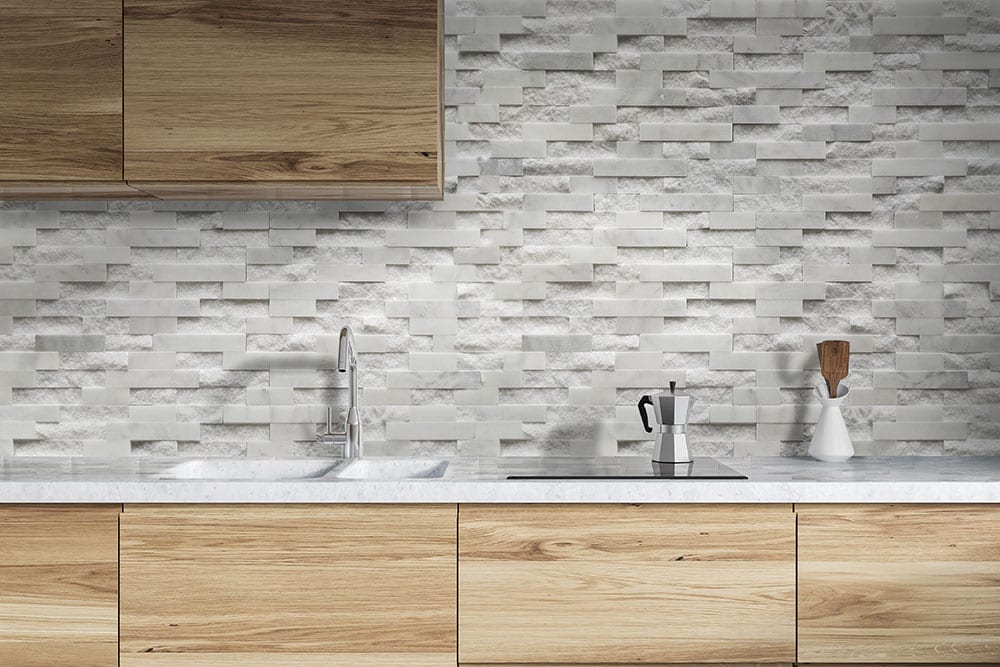
Natural Limestone Kitchen Wall Design for Dallas Interiors
Limestone Backsplash Dallas brings natural character, subtle variation, and an architectural material presence to sophisticated kitchen environments. Limestone can complement cabinetry, countertops, flooring, lighting, hardware, and decorative features while creating a balanced wall treatment that feels connected to the complete interior rather than functioning as an isolated design element.
For homeowners, designers, architects, builders, and trade professionals throughout the Dallas area, natural limestone offers flexible possibilities for residential and commercial interiors. Stonelinegroup helps clients explore stone selections while considering the surrounding palette, intended application, architectural direction, lighting, maintenance expectations, and individual requirements of each project.
Indoor and Outdoor Applications for Dallas Properties
Natural limestone can establish a consistent material language throughout a property when each stone is selected according to the requirements of its intended installation. Kitchens, bars, dining areas, serving spaces, feature walls, and other interior environments can benefit from the depth and variation associated with natural materials. Limestone Backsplash Tile can create an especially refined transition between countertops and cabinetry without requiring an excessively decorative wall treatment.
Dallas interiors include contemporary residences, transitional homes, expansive custom properties, hospitality environments, and professionally designed commercial spaces. Limestone can support many of these directions because the surrounding materials strongly influence its overall appearance. Natural wood can emphasize warmth, while painted cabinetry, metal details, glass, and contrasting surfaces can create a cleaner or more contemporary composition.
Exterior living areas may also be considered within the broader material strategy when the selected products are suitable for those applications. Outdoor kitchens, TV walls, entertainment walls, fireplace walls, firepits, columns, raised walls, and raised spas can use complementary natural tones to create a connection with the interior. Decking can also become part of the coordinated exterior palette when an appropriate material is selected for the project conditions.
A cohesive property does not require every surface to use identical stone. Coordinating color families, undertones, texture, scale, and visual weight can produce a more sophisticated result. Each interior and exterior surface can then respond to its own functional requirements while contributing to a consistent architectural identity.
Pool Areas, Decking, and Exterior Living Design
Dallas properties with pools and extensive outdoor entertaining areas can benefit from a material strategy that considers the relationship between the kitchen and exterior spaces. Large windows and doors can create direct sight lines between these environments, making interior materials part of the exterior visual experience. Limestone Backsplash Texas concepts can therefore be coordinated with outdoor stone, decking, pool features, exterior cabinetry, and landscape materials.
Pool environments have requirements that differ from an interior kitchen wall. Moisture, exposure, installation conditions, substrate, finish, maintenance, and the characteristics of the selected material all need to be evaluated before specifying natural stone for an exterior or wet application. An interior selection should never automatically be assumed to perform appropriately in another environment.
Outdoor kitchens can provide a particularly strong visual connection with the primary kitchen. Coordinating related natural tones between these spaces can create continuity without requiring exact duplication. Fireplace walls, entertainment walls, columns, raised walls, firepits, and raised spas can further develop the architectural palette throughout an exterior entertaining environment.
A Limestone Kitchen Backsplash Dallas project can establish an interior material direction that helps inform these exterior decisions. By considering cabinetry, countertops, flooring, natural stone accents, decking, and exterior features together, designers can create transitions that feel intentional while maintaining the distinct functional requirements of each application.
Bathroom and Shower Design Connections
The natural material palette established in a kitchen can influence bathrooms, powder rooms, bars, and other interior areas. Similar undertones can connect different rooms without requiring the exact same stone, format, or pattern everywhere. Limestone Tile Backsplash applications can also provide inspiration for complementary vertical stone treatments in other suitable interior environments.
Bathrooms require careful consideration of moisture exposure and maintenance expectations. The exact stone, finish, installation method, sealing recommendations, and cleaning requirements should be evaluated according to the selected material and application. Product-specific information is more reliable than assuming that every limestone selection has identical characteristics.
Designers can coordinate natural stone with vanity surfaces, cabinetry, metal fixtures, mirrors, lighting, and flooring to create a layered material composition. A restrained neutral palette can establish a calm atmosphere, while stronger cabinetry or metal contrasts can give limestone a more pronounced architectural presence.
Shower areas involve repeated water exposure and require additional project-specific evaluation. A visual relationship between the kitchen and bathroom can instead be created through complementary tones, texture, scale, or related stone families while allowing different products to address the practical requirements of each environment.
Kitchen Backsplash Applications and Architectural Layout
A Limestone Kitchen Backsplash can become an important architectural element within the kitchen. The material may extend between upper and lower cabinetry, continue behind a range, frame a window, surround a hood, or cover a larger uninterrupted wall. Each approach changes how much visual influence the natural stone has within the room.
Scale should be evaluated in relation to the proportions of cabinetry, appliances, countertops, and the overall kitchen. Smaller units can create additional rhythm and detail, while larger pieces may produce a quieter and more continuous appearance. Limestone Mosaic Tile Backsplash can be considered when a project calls for finer-scale detail in a bar, niche, beverage area, or controlled feature section.
Architectural interruptions also deserve attention. Electrical outlets, switches, open shelving, windows, hood dimensions, cabinet termination points, and other details can influence the final stone layout. Reviewing these elements before installation helps create a wall composition that appears deliberate rather than fragmented.
The countertop and backsplash do not have to match exactly. Compatible undertones and carefully controlled contrast can often create greater depth. When the countertop contains significant visual movement, a calmer wall may balance the composition, while restrained countertops may provide more opportunity for the natural variation of limestone to become visible.
Limestone Backsplash Dallas for Sophisticated Kitchen Projects
Dallas architecture offers considerable variety, from contemporary urban residences to expansive custom homes and refined transitional interiors. Natural limestone can adapt to these environments when the specific selection is coordinated with the architecture rather than chosen independently. The result can feel understated, warm, modern, or more traditional depending on the surrounding materials.
Limestone Backsplash near Dallas searches may begin with color or visual inspiration, but the final selection should consider much more than appearance. Cabinetry, countertop movement, room scale, lighting, material format, installation location, and maintenance expectations can all influence whether a particular stone works successfully within a project.
Lighting is particularly important when evaluating natural materials. Daylight can reveal variations that appear less noticeable under artificial showroom lighting, while under-cabinet fixtures can emphasize different details after sunset. Reviewing physical samples under several lighting conditions can provide a more realistic understanding of the stone.
Stonelinegroup supports clients and design professionals as they compare natural stone options for Dallas-area projects. Looking at limestone beside cabinetry samples, countertops, flooring, paint, and hardware helps establish whether the complete palette works together before the final selection is made.
Natural Material Character, Variation, and Texture
Limestone is a natural stone, and variation contributes to its individual appearance. Color, movement, markings, and other visual characteristics may differ according to the specific selection. These natural differences should be evaluated as part of the design rather than expecting the uniform appearance commonly associated with manufactured materials.
No specific quarry, origin, finish, thickness, dimensions, or technical properties have been supplied for this page. Those characteristics should therefore not be assumed. The actual product information should be reviewed before a material is specified for any project or application.
Limestone Backsplash Tile layouts can express natural variation differently according to format and arrangement. Smaller pieces create additional joints and repetition, while larger pieces can allow visual movement to extend across broader portions of the wall. The most appropriate approach depends on room scale, cabinetry proportions, and the intended visual hierarchy.
Physical samples can be especially useful during selection because digital photography and screen settings may affect perceived color and texture. Viewing the stone alongside actual project finishes gives designers and homeowners more context and can reduce uncertainty when coordinating multiple natural and manufactured materials.
Durability, Cleaning, and Maintenance Considerations
A kitchen backsplash is both an aesthetic surface and part of an actively used environment. Cooking residue, moisture, splashes, and regular cleaning can affect maintenance expectations. These practical considerations should be discussed during material selection rather than waiting until the installation has been completed.
A Limestone Tile Backsplash should be maintained with cleaning methods appropriate for the specific natural stone and finish. Generalized recommendations cannot account for every limestone selection, so product-specific guidance is preferable. Installation or stone-care professionals can provide recommendations based on the actual material used in the project.
The location of the backsplash can also influence exposure. A wall behind a range may encounter different conditions from an area behind a beverage station, serving counter, or preparation surface. Understanding how each section of the kitchen will be used allows material placement and maintenance expectations to be considered realistically.
Natural materials appeal to many clients because of their individual character and visual depth. Appropriate care helps preserve the intended appearance, but the exact routine should be based on the selected stone. This project-specific approach avoids unsupported assumptions and gives homeowners clearer expectations.
Design Pairing for Premium Dallas Interiors
Limestone can coordinate with a broad range of cabinetry because its role within the room can change according to the surrounding palette. Natural wood may reinforce warmth, while white, cream, taupe, gray, or deeper cabinetry can create different levels of contrast. Hardware, lighting, and countertop materials can then refine the overall design direction.
Limestone Mosaic Tile Backsplash can introduce smaller-scale detail where the architecture benefits from additional texture. A bar, niche, beverage station, or compact kitchen wall can provide an opportunity for a more articulated surface. In larger kitchens, controlling the amount of pattern can help maintain visual balance.
For Limestone Backsplash Texas projects, designers may also consider the other spaces visible from the kitchen. Dining rooms, living spaces, bars, fireplaces, outdoor kitchens, and pool environments can influence the material palette even when they do not use identical stone. Coordinating related tones can make the overall property feel more intentional.
Premium interiors often benefit from careful editing rather than an abundance of competing materials. Proportion, craftsmanship, material quality, and consistency can create a stronger sense of luxury than excessive decoration. Limestone can contribute natural depth while allowing cabinetry, architecture, lighting, and furniture to maintain their individual roles.
Natural Stone Kitchen Design for Dallas Homes
Limestone Kitchen Backsplash Dallas projects can include renovations, custom residences, new construction, hospitality interiors, and other professionally designed environments. Regardless of project size, the backsplash should be evaluated as part of the complete kitchen. Cabinet dimensions, countertop selection, appliances, flooring, lighting, and architectural details all influence its final appearance.
Dallas Limestone Backsplash design can be particularly effective in larger kitchens where generous wall surfaces create opportunities for natural materials to become part of the architecture. Oversized islands, tall ceilings, large range hoods, extensive cabinetry, and open layouts may require a different stone scale than smaller residential kitchens.
When a kitchen connects visually to outdoor entertaining areas, the material palette can also influence exterior design decisions. Outdoor kitchens, TV walls, entertainment walls, fireplace walls, columns, firepits, raised walls, raised spas, and decking can use complementary materials to establish continuity without compromising application-specific requirements.
Trade professionals can benefit from coordinating stone selections early in the design process. Architectural drawings, cabinetry elevations, finish schedules, and countertop information can help identify transitions and termination points before installation. This allows the natural stone to become an integrated architectural element rather than a late decorative addition.
Developing a Complete Kitchen Material Palette
A successful kitchen begins with visual hierarchy. Designers can determine whether cabinetry, countertops, a range hood, architectural lighting, stone, or another feature should carry the strongest visual emphasis. Once that hierarchy is established, the backsplash can be selected to support or intentionally lead the composition.
Limestone Kitchen Backsplash Texas projects can use this hierarchy to control visual movement. Strongly patterned countertops may work well with a quieter limestone arrangement, while simpler countertops and cabinetry can allow natural stone variation to become more prominent. Balance is generally more effective than requiring every surface to attract equal attention.
Hardware can provide another important layer. Warm or cool metal tones can change the overall perception of the surrounding stone and cabinetry. Fixtures should therefore be viewed as part of the complete palette instead of being selected independently after the primary materials are finalized.
Lighting should also be tested with the proposed materials. Under-cabinet fixtures illuminate the wall from a close distance, while recessed lighting and decorative fixtures create different effects. Daylight changes throughout the day, making it useful to evaluate samples in the actual environment whenever possible.
Coordinating Dallas Kitchen and Living Spaces
Open-plan residences require designers to think beyond the immediate boundaries of the kitchen. A backsplash may be visible from a living room, dining space, bar, staircase, or exterior entertaining area. Its color and visual movement therefore become part of a larger architectural composition.
Dallas Limestone Kitchen Backsplash planning can take these sight lines into account from the beginning. A natural stone wall that complements nearby flooring, furniture, fireplaces, and decorative materials can help different functional zones feel connected without making them identical.
Material repetition can be effective when used selectively. A related natural stone tone might appear elsewhere on a fireplace wall, bar feature, or another suitable vertical surface. Alternatively, designers can use complementary materials rather than repeating the same stone, creating continuity through color and texture instead of exact duplication.
This strategy is particularly useful in large properties where many finishes are visible simultaneously. Limiting the palette and establishing clear relationships among materials can make complex interiors feel more controlled. Natural limestone can serve as one of those connecting elements when its visual character supports the overall design.
Working with Stonelinegroup for Dallas Projects
Natural stone selection is most productive when clients consider the complete environment in which the material will be installed. Designers, architects, builders, homeowners, and trade professionals can compare options while considering architecture, lighting, surrounding finishes, intended application, and maintenance expectations.
For a Limestone Backsplash near Dallas project, bringing countertop samples, cabinetry references, flooring, hardware, and paint selections can help provide useful context. Photographs, renderings, or architectural drawings may also make it easier to understand how the proposed stone will interact with the proportions and colors of the space.
Dallas Limestone Kitchen Backsplash planning may also include consideration of adjacent interior and exterior areas. Bars, dining spaces, fireplaces, outdoor kitchens, pool environments, entertainment walls, and other features can influence the overall material direction even when separate products are required for their individual applications.
Stonelinegroup helps clients explore natural stone choices without assigning unsupported characteristics to materials. The suitability, finish, dimensions, origin, technical information, and care requirements of a particular stone should always be confirmed using information associated with the actual product under consideration.
Creating an Architectural Focal Point
A backsplash can remain subtle or become a primary focal point depending on how the kitchen is designed. Extending stone across a larger wall can give the material more architectural presence, while using it within a defined cabinet area can create a quieter effect. The appropriate approach depends on room proportions and the desired visual hierarchy.
A custom hood can also influence how the backsplash is perceived. When the hood is highly detailed or visually dominant, the surrounding wall may benefit from restraint. A simpler hood can provide more opportunity for the natural stone surface to become a defining element within the kitchen.
Open shelving creates another design consideration because more of the wall remains visible. The relationship between shelf material, objects, stone variation, and lighting should be evaluated as a complete composition. Keeping decorative objects controlled can allow the natural material to remain visually clear.
Large Dallas kitchens may have enough wall area to combine several architectural conditions within a single room. Planning these areas together helps maintain consistency in stone scale, alignment, transitions, and overall material balance.
A Refined Natural Stone Direction for Dallas
Natural limestone can bring warmth, depth, and architectural character to kitchens designed around authentic materials. Its appearance can be understated or more prominent depending on the specific selection, format, surrounding finishes, lighting, and scale of the installation. Thoughtful coordination allows the stone to become part of a complete design rather than an isolated decorative decision.
Limestone Backsplash Dallas offers a refined direction for homeowners and design professionals planning sophisticated kitchen environments. Stonelinegroup can help clients explore limestone selections and coordinate natural stone with cabinetry, countertops, flooring, lighting, interior features, and related exterior design elements according to the individual requirements of each Dallas project.