
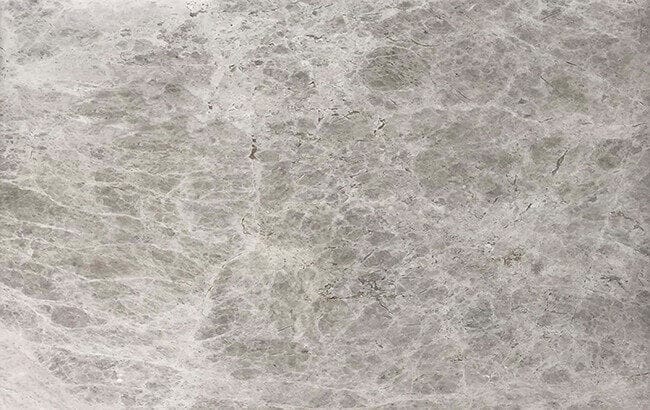
TUNDRA GREY
MARBLE COLLECTION
Tundra Grey Tile combines cool grey tones, soft natural movement, and refined stone character for sophisticated interior spaces. Its balanced color palette works beautifully across kitchens, bathrooms, showers, floors, and interior walls while supporting both contemporary and timeless design concepts.
Available in 12” x 24”, 24” x 24”, 24” x 48”, and 36” x 36” formats, with custom sizes available on request, the collection offers flexible design possibilities. Polished and honed finishes allow architects and designers to create either a more reflective appearance or a softer, understated surface.

Tundra Grey Tile for Refined Interior Design
Tundra Grey Tile offers a sophisticated balance of cool grey color, natural movement, and understated elegance. The stone features subtle tonal transitions rather than an overly dramatic pattern. As a result, it can introduce depth into an interior without overpowering cabinetry, furniture, lighting, or surrounding architectural details.
Its neutral appearance allows designers to use the material across many different interior styles. Contemporary spaces can emphasize its clean grey palette, while transitional interiors can pair it with warm wood, metal, glass, or softer neutral colors. The natural stone character also prevents large surfaces from feeling overly uniform.
Available formats include 12” x 24”, 24” x 24”, 24” x 48”, and 36” x 36”. Custom sizes may also be available on request. Therefore, the material can support layouts ranging from compact bathroom installations to expansive floors and large interior walls.
Why Tundra Grey Tile Works with Modern Interiors
Grey remains one of the most adaptable colors in interior architecture because it can connect both warm and cool design elements. Tundra Grey marble offers additional depth through the natural variations found within genuine stone. Rather than appearing like a flat manufactured grey surface, each piece contributes subtle differences.
This quality makes the stone especially effective in modern spaces. White walls, black fixtures, natural wood, brushed metal, and glass can all work beside a neutral grey marble tile. Designers can therefore create contrast without introducing too many competing colors.
The material can also support softer interiors. Beige, ivory, taupe, and warm wood can reduce the coolness of grey and create a more balanced palette. Consequently, the same stone can work in minimalist residences, sophisticated commercial interiors, and transitional remodeling projects.
Grey Marble Tile with Natural Stone Character
Grey marble tile offers something that manufactured surfaces cannot reproduce exactly: genuine geological variation. Veining, tonal movement, mineral details, and subtle changes in shade can differ between individual pieces. These characteristics give natural stone its distinctive identity.
Tundra Grey marble is known for a restrained appearance rather than highly contrasting veining. This makes it especially useful when the design requires texture without excessive visual activity. Large surfaces can therefore remain calm while still displaying natural movement.
Natural variation should be considered part of the material rather than a defect. Before installation, professionals may review and blend tiles to distribute stronger and softer patterns across the space. This can create a more balanced finished composition.
Tundra Grey Tile Sizes and Layout Possibilities
Tundra Grey Tile is offered in 12” x 24”, 24” x 24”, 24” x 48”, and 36” x 36” formats. Custom sizes may also be requested for projects that require different dimensions. This range gives designers flexibility when working with rooms of different scales.
The 12” x 24” format can create clean directional lines and works well in many residential interiors. Meanwhile, 24” x 24” tiles provide balanced proportions and can create an orderly grid across floors or wall surfaces.
Larger 24” x 48” and 36” x 36” formats can reduce the visual frequency of grout joints. Consequently, broad surfaces may feel more continuous and architectural. The preferred size depends on the room dimensions, installation concept, and desired sense of scale.
Large Format Marble Tile for Contemporary Spaces
Large format marble tile has become increasingly popular in interiors where designers want cleaner visual lines. Fewer visible joints can make stone surfaces appear broader and more continuous. This approach is particularly effective in open-plan spaces and larger rooms.
Tundra Grey’s neutral movement works naturally with larger formats. Because the stone does not rely on highly dramatic veins, the surface can extend across a broad area without becoming visually overwhelming. At the same time, natural tonal changes maintain enough variation to keep the installation interesting.
Large format stone tile can also emphasize architecture. Instead of the floor being divided into many small pieces, larger units allow walls, cabinetry, furniture, and lighting to remain visually prominent. Proper substrate preparation and professional installation are important when working with larger stone formats.
Honed Marble Tile for Soft, Understated Design
A honed finish creates a softer appearance than highly polished marble. Rather than reflecting significant light, honed marble tile tends to emphasize the natural color and movement of the stone. This can make Tundra Grey feel understated and architectural.
The finish works especially well in interiors that use matte cabinetry, natural wood, brushed metal, or restrained contemporary furnishings. Instead of adding another reflective element, the stone contributes texture and depth.
Lighting conditions can influence how the honed surface appears. Natural daylight may reveal subtle tonal changes, while warmer artificial lighting can soften the grey color. Therefore, designers should consider both material finish and room lighting together.
Polished Marble Tile for a More Refined Surface
Polished marble tile offers a different aesthetic. The smoother surface reflects more light and can make the natural pattern appear more pronounced. In interior spaces, this can create a more formal or luxurious character.
Tundra Grey marble in a polished finish can work particularly well when the surrounding design uses glass, polished metal, or other refined materials. The surface can add brightness while maintaining the collection’s neutral grey palette.
The choice between honed and polished finishes should reflect both design intent and application requirements. A polished surface creates a different visual and functional experience from a honed one. Project-specific conditions should therefore guide the final specification.
Tundra Grey Tile for Kitchen Design
Tundra Grey Tile can create an elegant foundation for contemporary and transitional kitchens. Grey stone works naturally with white, cream, taupe, black, wood, and many metallic finishes. This flexibility allows cabinetry and furniture to evolve over time without requiring a complete material redesign.
As a marble kitchen tile, Tundra Grey can be considered for suitable flooring and interior wall applications. The natural movement adds visual depth while the neutral color allows cabinetry, lighting, and decorative elements to remain prominent.
Grey stone can also help connect kitchens with adjacent living or dining spaces. Using a consistent flooring material across an open-plan interior may create a stronger sense of continuity. The result can feel more spacious and intentional.
Grey Marble Tile with White and Wood Kitchens
Grey marble tile pairs especially well with white cabinetry because the combination creates clean contrast without becoming excessively dark. Tundra Grey adds natural variation beneath or beside smooth white surfaces, helping the kitchen feel less uniform.
Wood introduces another dimension. Light oak can create a softer contemporary appearance, while darker woods produce stronger contrast. Because the stone remains neutral, designers can use several wood tones without creating a visually conflicting palette.
Metal fixtures can further refine the combination. Stainless steel, brushed nickel, black hardware, and warmer metallic finishes can all coordinate with neutral marble when selected as part of the complete interior palette.
Marble Bathroom Tile for Calm, Sophisticated Interiors
Bathrooms often benefit from materials that create a sense of visual calm. Marble bathroom tile in a restrained grey palette can support this atmosphere while adding authentic natural texture. Tundra Grey works especially well when paired with white fixtures and simple cabinetry.
The stone can be used to create continuity between floors and selected wall surfaces. Designers may also combine different tile dimensions to distinguish individual areas while maintaining a consistent material identity.
Bathroom design should consider lighting carefully. Cool daylight can emphasize the grey character, while warmer lighting may bring out softer undertones. Therefore, reviewing samples within the intended environment can help designers understand how the stone will appear after installation.
Tundra Grey Tile for Bathroom Walls and Floors
Tundra Grey Tile can provide a coordinated material language across bathroom floors and walls. Using the same stone in different formats can create subtle variation without introducing additional colors or patterns.
For example, a larger format may be selected for floors, while rectangular pieces define wall areas. Alternatively, designers can maintain a consistent format throughout the room for a cleaner and more minimal appearance.
Natural variation adds another layer of detail. Even when the color palette remains consistent, each stone piece introduces unique movement. This helps the bathroom maintain visual interest without depending on decorative surface patterns.
Marble Shower Tile for Natural Stone Interiors
Marble shower tile can create a sophisticated natural-stone environment when properly specified and professionally installed. Tundra Grey’s restrained pattern works well within shower spaces because it adds texture without making smaller areas feel overly busy.
The material can also coordinate with glass shower enclosures, black fixtures, chrome, brushed metal, and wood-look cabinetry. A neutral stone palette gives designers flexibility when selecting surrounding components.
As with all natural stone used in wet environments, project-specific installation, sealing, drainage, cleaning, and maintenance requirements should be evaluated. These considerations help ensure that material selection reflects both appearance and intended use.
Marble Floor Tile for Large Interior Areas
Marble floor tile can become one of the primary visual elements within an interior because flooring often covers a large area. A neutral stone such as Tundra Grey provides enough natural movement to create interest while remaining flexible enough to work with changing furniture and décor.
Large formats can make expansive floors appear more continuous. Smaller rectangular formats, meanwhile, can create stronger directional patterns. Designers can choose tile dimensions based on room size and the architectural effect they want to achieve.
The stone’s cool grey palette can also visually connect multiple rooms. This may be particularly useful in open residential plans, hospitality interiors, and commercial environments where a consistent flooring material supports overall design continuity.
Marble Wall Tile as an Architectural Feature
Marble wall tile can introduce genuine stone texture without requiring the floor to carry the entire material concept. Feature walls, bathroom walls, and other interior architectural surfaces can all benefit from the natural movement of grey marble.
Larger pieces may create a cleaner appearance by reducing visible joints. In contrast, smaller formats can establish more geometric rhythm. The correct approach depends on the size of the wall and the surrounding architecture.
Tundra Grey’s subtle pattern makes it particularly adaptable for walls. The surface provides detail when viewed closely, yet from a distance it can appear balanced and restrained. This creates versatility across both residential and commercial interiors.
Interior Marble Tile for Modern Architecture
Interior marble tile continues to be selected because genuine stone introduces variation that cannot be completely standardized. Each project develops its own combination of color, veins, mineral details, and movement.
In contemporary architecture, natural materials often provide contrast against precise manufactured elements. Smooth cabinetry, glass, metal, and clean wall surfaces can feel warmer when combined with stone. Tundra Grey supports this balance without introducing excessive color.
The stone also gives designers flexibility over time. Grey is not tied to a single furniture style or decorative trend. As furnishings change, the neutral stone can continue to support different interior palettes.
Neutral Marble Tile for Flexible Color Palettes
A neutral marble tile can simplify material coordination because it works with a broad range of surrounding colors. Tundra Grey sits between very light and very dark stone selections, making it easier to combine with both ends of the palette.
White creates clean contrast, while charcoal and black produce a more tonal look. Beige and wood add warmth. Blue and green accents can introduce controlled color without conflicting with the stone’s natural appearance.
This adaptability is particularly useful in long-term residential design. Major stone surfaces are often intended to remain in place for many years, while paint, furniture, and accessories may change more frequently.
Tundra Grey Tile Florida Interior Projects
Tundra Grey Tile can complement Florida interiors that favor bright spaces, neutral materials, and strong indoor-outdoor connections. Its cool grey palette offers a sophisticated alternative to the cream and beige stones frequently associated with warm-climate architecture.
Customers researching Tundra Grey marble Florida options may consider the material for suitable kitchen, bathroom, shower, floor, and interior wall applications. The available polished and honed finishes allow designers to adjust the visual character according to the project.
Grey marble tile Florida installations can also pair naturally with large windows and abundant daylight. Natural light can reveal subtle variations within the stone throughout the day, giving broad surfaces additional visual depth.
Natural Stone Tile Florida Design Ideas
Natural stone tile Florida projects frequently combine stone with glass, wood, light cabinetry, and contemporary furniture. Tundra Grey provides a neutral foundation that can connect these elements without dominating them.
The material can also create contrast with warmer exterior views and tropical landscaping visible through windows. This relationship between cool interior stone and colorful outdoor scenery can create a refined contemporary balance.
Tundra Grey Tile Miami Interior Design
Tundra Grey Tile can fit naturally within Miami interiors that emphasize clean lines, large-format surfaces, contemporary furniture, and sophisticated neutral palettes. The grey coloration complements both high-contrast black-and-white schemes and softer beige or wood-based designs.
Tundra Grey marble Miami applications can include kitchens, bathrooms, showers, floors, and interior walls. Larger formats may be especially appealing in modern spaces where designers want fewer joints and a more continuous visual effect.
Grey marble tile Miami interiors can also benefit from the city’s strong natural light. Polished stone may reflect more light, while a honed finish offers a softer interpretation of the same material. Designers can therefore select the finish according to the desired atmosphere.
Natural Stone Tile Miami for Contemporary Homes
Natural stone tile Miami projects often combine architecture with views, daylight, and open living spaces. A restrained stone palette allows these other features to remain prominent while still giving floors and walls authentic natural texture.
Tundra Grey can work beside glass doors, white walls, dark metal, light woods, and contemporary cabinetry. Because its pattern is subtle, designers can introduce additional materials without making the interior feel visually crowded.
Tundra Grey Tile Texas Residential and Commercial Interiors
Tundra Grey Tile can support a wide range of Texas interior projects, from large residential spaces to commercial environments. Its neutral grey appearance provides a versatile foundation for architecture that uses both traditional and modern materials.
Tundra Grey marble Texas installations can make effective use of larger tile formats. Broad rooms and open-plan interiors often benefit from 24” x 48” or 36” x 36” dimensions because larger pieces can reduce visual segmentation across the floor.
Grey marble tile Texas projects can also use smaller 12” x 24” formats where stronger layout direction is desired. The choice between dimensions should reflect room scale, furniture placement, and architectural lines.
Natural Stone Tile Texas for Sophisticated Interiors
Natural stone tile Texas interiors can balance contemporary architecture with genuine material character. Even highly modern spaces benefit from surfaces that provide natural movement and texture.
Tundra Grey is particularly useful when a project requires a sophisticated material that does not dominate the room. Its restrained palette allows furniture, art, lighting, and architectural features to remain important parts of the final composition.
Tundra Grey Tile Houston Design Applications
Tundra Grey Tile Houston projects can incorporate the stone into modern kitchens, bathrooms, large floors, and interior wall features. Its cool neutral tones can provide contrast against warm wood while coordinating easily with white, black, and metallic details.
Grey marble tile Houston interiors may also benefit from the collection’s multiple available dimensions. Larger formats can create a broad architectural appearance, while rectangular pieces offer more traditional layout possibilities.
Natural stone tile Houston projects should consider lighting during material selection. Different daylight conditions and artificial lighting temperatures can change how grey stone appears. Reviewing samples within the intended environment can therefore improve final selection.
Tundra Grey Marble Houston Interiors
Tundra Grey marble Houston designs can range from highly contemporary to transitional. In modern interiors, the material can support clean lines and monochromatic palettes. In warmer environments, wood and beige elements can soften the cooler grey tones.
Both polished and honed surfaces provide different design possibilities. The preferred finish depends on the visual effect, intended application, and technical requirements of the project.
Tundra Grey Tile Dallas Interior Projects
Tundra Grey Tile Dallas interiors can benefit from the material’s balance between natural character and neutral coloration. Luxury residences, renovations, and commercial projects can use the stone where a refined grey surface is desired.
Grey marble tile Dallas applications can include floors, kitchens, bathrooms, showers, and architectural walls. The collection’s available sizes make it possible to adapt the same material to both compact spaces and larger open interiors.
Natural stone tile Dallas projects can also use Tundra Grey as a bridge between different materials. Light walls, darker cabinetry, natural wood, and metallic accents can all connect through the stone’s balanced grey palette.
Tundra Grey Marble Dallas Design Concepts
Tundra Grey marble Dallas projects can use large-format pieces to emphasize open floor plans. This approach can reduce visual interruptions and create a cleaner architectural foundation.
Alternatively, rectangular formats can establish direction within hallways, kitchens, or narrower spaces. Designers can therefore use tile dimensions as part of the architecture rather than treating size as a purely technical decision.
Combining Tundra Grey with Wood
Wood and grey natural stone create an effective balance between warm and cool materials. Light oak can give the interior a Scandinavian or contemporary character, while walnut or darker wood introduces stronger contrast.
Because Tundra Grey remains relatively neutral, the wood does not compete with the stone. Instead, each material contributes a different visual quality. Wood provides warmth and grain, while marble adds geological movement and mineral texture.
This combination can be applied across kitchens, bathrooms, living areas, and commercial interiors. Cabinetry, vanities, wall panels, and furniture can all introduce wood beside grey marble surfaces.
Combining Grey Natural Stone with Black and White
Black, white, and grey form one of the most established contemporary color combinations. Grey natural stone tile can sit between the two extremes, preventing the design from becoming visually harsh.
White cabinetry or walls can brighten the space, while black fixtures provide definition. Tundra Grey introduces natural variation between those elements and helps the interior feel less graphic or manufactured.
Designers can also add warmer details through wood or metal. This creates a more layered material palette while maintaining the underlying neutral color strategy.
Luxury Grey Marble without Excessive Pattern
Luxury grey marble does not need dramatic veins to create a premium appearance. In many sophisticated interiors, restraint is more important than visual intensity. Tundra Grey demonstrates this through subtle movement and a controlled neutral palette.
This quieter appearance allows designers to use the material across larger areas. A highly dramatic stone might dominate an entire room, while a more restrained marble can act as an architectural background.
The natural variation still remains visible. Therefore, the surface retains the authenticity and individuality associated with genuine natural stone without overwhelming surrounding design elements.
Choosing Between Polished and Honed Tundra Grey
The finish can significantly change the visual effect of the same stone. Polished Tundra Grey can appear more reflective and may emphasize natural details. Honed Tundra Grey creates a softer surface with less reflection.
Designers should consider cabinetry, lighting, furniture, and adjacent materials when selecting between the two. A highly reflective interior may benefit from a honed stone, while a project seeking additional brightness may prefer polished marble.
Application requirements should also guide the decision. Each location within an interior can have different functional conditions. Professional material specification is therefore important when determining the appropriate finish.
Natural Variation in Tundra Grey Tile
Every piece of Tundra Grey Tile can display subtle differences in shade, clouding, movement, or veining. These variations reflect the geological origin of natural stone and ensure that no completed project looks exactly like another.
Designers and installers may review pieces before installation to create a balanced distribution. Stronger patterns can be placed intentionally, while quieter pieces may support transitional areas.
This planning process allows natural variation to become part of the design. Instead of attempting to make every piece identical, the installation can celebrate the individual characteristics of genuine stone.
Choosing the Right Tile Size for the Space
Tile dimensions can influence how large or small an interior appears. Larger tiles often create broader visual fields because fewer joints divide the surface. This can be particularly effective in open rooms.
Smaller or rectangular formats may provide better proportional balance in compact spaces. They can also reinforce architectural direction along hallways or narrower rooms.
Tundra Grey’s range of sizes allows the material to adapt to several spatial conditions. Custom sizing may provide additional flexibility when projects require special dimensions or architectural details.
Designing with Contemporary Marble Tile
Contemporary marble tile works best when it contributes to a broader material concept. Flooring, walls, cabinetry, lighting, metalwork, and furniture should be considered together rather than selected independently.
Tundra Grey can act as the neutral foundation within this composition. Because the color remains restrained, surrounding materials can introduce warmth, contrast, or visual emphasis.
The result does not need to feel cold. Wood, textiles, warm lighting, and natural textures can soften the grey marble and create a balanced environment that remains modern without becoming overly minimal.
Explore Natural Stone Tiles at Stonelinegroup
Selecting natural stone requires consideration of color, finish, dimensions, natural variation, application, lighting, and surrounding architecture. Viewing these factors together can help create a more cohesive finished space.
Stonelinegroup offers natural stone options for residential and commercial projects. Architects, designers, builders, and homeowners can compare different marble, limestone, and other natural stone selections to find the appropriate material for each project.
Explore additional natural stone tile options for kitchens, bathrooms, showers, floors, interior walls, and architectural applications.
For additional educational information about natural stone specification, installation, and care, visit the Natural Stone Institute.
Why Tundra Grey Remains a Versatile Stone Choice
Grey interior materials continue to be widely used because they provide flexibility without requiring a highly specific decorative style. Tundra Grey adds another advantage by combining that neutral color with authentic natural stone variation.
The collection can support bright modern rooms, warmer transitional spaces, and sophisticated commercial interiors. Different finishes and sizes expand this flexibility even further.
Most importantly, the stone does not depend on a temporary decorative trend. Natural color, geological variation, and understated movement allow it to integrate with materials and furnishings that may change over time.
Conclusion: Tundra Grey Tile
Tundra Grey Tile combines cool grey coloration, subtle natural movement, multiple tile dimensions, and polished or honed finish options for refined interior architecture. Available in 12” x 24”, 24” x 24”, 24” x 48”, and 36” x 36”, with custom sizes available on request, the collection provides flexibility for kitchens, bathrooms, showers, floors, and interior walls.
From Florida and Miami to Texas, Houston, and Dallas, Tundra Grey marble can support residential and commercial projects seeking a sophisticated neutral natural stone. Its understated pattern coordinates with wood, glass, metal, white surfaces, darker accents, and many contemporary materials.
Ultimately, Tundra Grey Tile provides designers with a versatile architectural surface that balances genuine stone character with a calm and adaptable color palette. Whether specified in a honed or polished finish, it can create interiors that feel refined, natural, and visually cohesive.