Travertine Pavers Outdoor Dallas
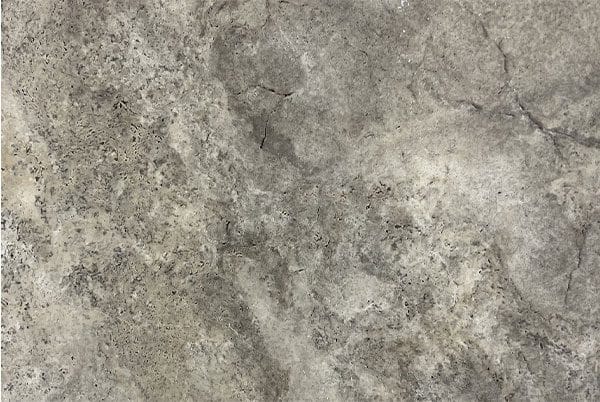
Natural Travertine Pavers for Refined Dallas Outdoor Spaces
Travertine Pavers Outdoor Dallas bring the authentic character of natural stone to patios, pool surroundings, terraces, decking areas, and sophisticated exterior living environments. Natural variation can add depth and visual movement while helping exterior surfaces connect naturally with architecture, landscaping, water features, furniture, and structural elements.
For residential and commercial projects, travertine outdoors Dallas applications can complement contemporary, transitional, Mediterranean-inspired, and resort-influenced concepts. Thoughtful material selection allows designers, builders, and property owners to create exterior spaces that feel cohesive, functional, and visually connected to the architecture around them.
Travertine Pavers Outdoor Dallas for Exterior Architecture
Exterior design becomes more cohesive when surfaces are considered as part of the complete architectural environment. Natural stone can connect patios, terraces, pool areas, decking zones, covered spaces, and outdoor entertainment areas while providing the individual variation associated with genuine stone.
Dallas travertine pavers can provide a versatile foundation for projects where architecture and landscape need to work together. Natural stone can complement wood, glass, metal, exterior walls, water, greenery, and other materials without requiring every component of the project to share exactly the same color or texture.
Large exterior areas often benefit from materials that maintain visual interest across broad surfaces. Natural travertine may display differences in tone, movement, pores, markings, and other inherent characteristics. When combined across an installation, these individual variations can contribute to an organic overall composition.
A Dallas travertine patio can support outdoor dining, lounge furniture, covered seating, outdoor kitchens, poolside environments, and entertainment areas. Planning the surface together with furniture and architectural features helps the finished space function as a complete living environment rather than simply an open area surrounding the building.
Proportion should also be considered during the design process. The dimensions and configuration of exterior surfaces can relate to doors, windows, structural lines, pool geometry, furniture placement, and landscape elements. This relationship can help the stone installation reinforce the architecture rather than compete with it.
Natural materials can also contribute to indoor-to-outdoor continuity. When living areas open directly toward a patio or pool environment, related tones and textures can establish a visual connection between the two spaces. Different products can be used while still maintaining a consistent overall material language.
Pool Areas and Water-Focused Exterior Spaces
Pool environments frequently become central visual features in residential exterior design. The materials surrounding the water influence the appearance of furniture, landscaping, exterior walls, covered areas, and architectural features. Natural stone can help organize these different components into a more cohesive composition.
Travertine pool pavers Dallas projects can consider the complete pool environment, including lounge areas, dining spaces, decking zones, outdoor kitchens, raised spas, planting, shade structures, and entertainment features. Coordinating these elements allows the pool to feel integrated into the property instead of isolated from the surrounding exterior design.
Any stone intended for an area exposed to water should be evaluated according to the specific product and project conditions. Surface characteristics, installation requirements, drainage, maintenance, and the intended application should be considered before a final specification is made.
Natural stone can also interact with water and light in visually distinctive ways. Sunlight, shadows, reflections, landscaping, and artificial lighting can change how the material appears throughout the day. Reviewing actual samples in relation to the project environment can therefore support more informed design decisions.
Raised spas can introduce another architectural layer to the pool composition. When suitable materials are selected for each application, related natural textures can help coordinate elevated features with surrounding horizontal areas while preserving variation and depth.
Furniture and landscaping can then create separate functional zones without breaking the overall visual connection. Lounge chairs may establish a relaxation area, while dining furniture and an outdoor kitchen define another portion of the environment. Stone can provide the common foundation that connects these activities.
Dallas outdoor travertine can also coordinate with fountains or other selected water features where the particular product and installation method are suitable. The combination of stone, water, vegetation, and architecture can create an exterior environment with a natural and established character.
Bathroom and Shower Design Connections
A coordinated architectural palette does not need to stop at exterior doors. Interior spaces can reference the tones and textures used outdoors through materials specifically selected for interior applications. Bathrooms and showers can be especially effective places to continue a natural, material-focused design language.
Homes incorporating travertine outdoors Dallas surfaces can use related neutral tones in suitable interior stone, cabinetry, countertops, walls, and decorative elements. This creates visual continuity without assuming that an exterior product should also be used in an interior wet environment.
Bathrooms and showers have their own installation requirements. Waterproofing, drainage, substrates, maintenance, and material suitability should be considered for the actual interior product being specified. Exterior pavers should not automatically be treated as interchangeable with materials designed for shower or bathroom applications.
The relationship becomes particularly noticeable when interior rooms visually connect with a patio or pool through large windows or doors. Repeating compatible colors can make the transition between the interior and exterior feel deliberate even when the materials themselves differ.
Natural tones also provide flexibility for coordinating fixtures and decorative finishes. Wood, glass, metal, cabinetry, and stone can contribute separate textures while remaining part of the same restrained palette.
Considering these relationships early in the design process allows the property to develop a more unified identity. Exterior natural stone can influence the broader material direction of the home while each room retains products appropriate for its individual function.
Kitchen Backsplashes and Outdoor Kitchen Design
Kitchens frequently serve as transition points between indoor living areas and exterior entertainment spaces. Large doors and windows may place interior cabinetry, countertops, and backsplashes within direct view of patios or pool environments, making coordinated material selection particularly valuable.
Dallas travertine pavers can establish natural colors that are echoed through suitable interior finishes. Countertops, cabinetry, backsplash materials, furniture, and hardware can reference compatible undertones without attempting to reproduce the exterior surface exactly.
Outdoor kitchens can use the same design strategy. When cooking and dining areas are located beside patios or pools, their cabinetry, countertops, appliances, lighting, and architectural features can be coordinated with surrounding stone to create a more integrated appearance.
Every product should still be evaluated according to its intended use. A stone selected for an exterior horizontal surface is not automatically suitable for countertops, backsplash areas, fireplace applications, or vertical installations. Appropriate products and installation systems should be specified for each part of the project.
TV walls, entertainment walls, fireplace walls, firepits, columns, and raised walls can introduce additional architectural interest when materials suitable for those applications are selected. Vertical features can help organize large outdoor environments and provide visual focal points beyond the primary horizontal surfaces.
A Dallas travertine patio can become the central element connecting these functions. Outdoor cooking may occupy one zone, dining another, and poolside seating a third. Related materials can help these individual spaces read as parts of one complete exterior environment.
The most successful designs balance visual continuity with practical use. Furniture placement, circulation, shade, cooking areas, seating arrangements, and access to the home should all be considered alongside the material palette.
Natural Material Character, Origin, and Texture
Travertine is a natural stone created through geological processes, and its inherent variation contributes to its architectural appeal. Individual pieces may show differences in tone, movement, pores, markings, and other natural characteristics. These differences are part of the visual identity of the material.
Dallas travertine stone can therefore create an installation with organic variation rather than an identical repeated pattern. This quality can be particularly noticeable across expansive exterior surfaces, where individual pieces combine to create broader visual movement.
The exact characteristics of a product should always be evaluated directly. Natural stone can vary, and generalized descriptions should not replace actual samples or project-specific product information. Reviewing representative material can help establish realistic expectations before selection.
Lighting can significantly influence how stone appears. Direct sun, shaded areas, reflections from water, landscape shadows, and evening illumination may each emphasize different aspects of the surface. Exterior materials should therefore be considered in the context in which they will actually be viewed.
Natural stone can coordinate with a broad range of architectural materials. Wood can introduce warmth, metal can provide contrast, glass can preserve visual openness, and landscaping can soften structural edges. Stone can provide a connecting element among these different textures.
Travertine pavers Dallas applications can support contemporary architecture with clean lines and minimal detailing or more layered designs with traditional and Mediterranean-inspired influences. The final character depends on how the stone is combined with the surrounding architecture, furniture, landscape, and decorative elements.
Physical samples are particularly useful when color coordination is important. Digital photography, screens, and lighting conditions can affect perceived colors, while natural stone itself can vary. Evaluating materials beside other major project finishes can support a more coordinated result.
Durability, Installation, and Maintenance Planning
Exterior surfaces encounter environmental and functional conditions that differ from interior finishes. Weather, water, sunlight, landscape debris, traffic, furniture movement, and routine use can all influence a surface over time. These conditions should be considered when evaluating materials for a particular project.
Installation quality is an important part of the completed stone environment. Site conditions, preparation, drainage, substrate requirements, joints, setting methods, and other construction details should be evaluated by professionals according to the material and intended application.
Dallas outdoor travertine projects should also account for how individual areas will be used. Pool surroundings, dining areas, covered patios, outdoor kitchens, entertainment spaces, and other zones can experience different types of activity and exposure.
Maintenance expectations should be established before installation. Natural stone care should reflect the specific material, surface, and application. Appropriate product recommendations are preferable to assuming that the same cleaning method or maintenance routine applies to every natural stone installation.
Water management is another important consideration in exterior planning. Drainage should be integrated with the overall project, including nearby structures, landscaping, pool components, and other exterior surfaces. These relationships are best considered as part of the initial design and installation strategy.
Furniture arrangements can also influence the practical use of stone areas. Dining tables, seating groups, umbrellas, planters, and outdoor kitchen components should leave appropriate room for movement and support the intended activities of the exterior environment.
Successful natural stone projects combine appearance with appropriate technical planning. Material selection, professional installation, maintenance expectations, architecture, and intended use should all be considered together rather than as separate decisions.
Premium Design Pairings for Dallas Exterior Projects
Natural stone can provide a sophisticated foundation without requiring the rest of the exterior environment to become visually complicated. A restrained material palette can allow stone variation, architecture, landscaping, furniture, and water features to contribute complementary layers.
Travertine pool pavers Dallas designs can pair with streamlined furniture and structured landscaping for a contemporary atmosphere. More traditional properties may combine natural stone with layered planting, textured architectural surfaces, and decorative exterior furnishings.
Lighting provides another opportunity to develop the environment after sunset. Carefully positioned architectural lighting can emphasize pools, walls, landscaping, outdoor kitchens, seating areas, columns, and other structural features while revealing different aspects of natural texture.
Furniture should be proportioned to the available exterior area. Large patios may accommodate multiple seating groups, substantial dining tables, planters, umbrellas, and lounge furniture. More compact spaces can benefit from restrained arrangements that preserve visual openness.
Natural stone can also provide a neutral foundation for changing decorative elements. Cushions, furniture, planters, and accessories may evolve over time, while the permanent surface continues to connect the architecture and landscape.
Premium design is created through relationships rather than a single material. Proportion, circulation, construction quality, lighting, landscape design, furniture placement, and material coordination all contribute to the completed environment.
Firepits, fireplace walls, entertainment walls, raised spas, columns, and other architectural features can add vertical dimension where appropriate materials are specified. These elements can establish focal points and help distinguish functional zones within larger exterior spaces.
Planning Functional Dallas Outdoor Living Areas
Outdoor environments should reflect the activities they are intended to support. Some properties may prioritize family dining and pool use, while others may include extensive entertainment areas, outdoor cooking, television zones, covered seating, or multiple relaxation spaces.
Dallas travertine stone can visually connect these different functions without requiring physical barriers between every zone. Furniture arrangements, landscape elements, structures, and lighting can define activities while the underlying natural material maintains continuity.
Transitions between different materials should be considered carefully. Stone may meet planting areas, grass, pool components, structural elements, or other exterior finishes. Well-planned transitions contribute to a more deliberate overall appearance.
Landscaping can provide strong visual contrast with natural stone. Green planting can emphasize neutral tones, while structured vegetation can reinforce architectural geometry. Planters and trees can also help define spaces and introduce scale.
Decking zones can form part of the broader material strategy when the selected product is appropriate for the intended application. Coordinating pool areas, patios, and entertainment zones can help create a consistent exterior design language.
Covered spaces should also be considered when reviewing material appearance. Natural stone viewed beneath a roof or shade structure can appear different from material exposed to direct sunlight. Evaluating samples in relevant lighting conditions can help establish expectations.
The relationship between permanent surfaces and movable elements is equally important. Furniture can change, but the underlying architectural materials establish the long-term framework of the exterior environment. Selecting a versatile natural foundation can therefore support future changes in decorative style.
Creating Architectural Continuity with Natural Stone
Exterior areas often perform multiple functions, but they do not need to feel disconnected. Pool surroundings, patios, outdoor kitchens, covered entertainment spaces, and landscaped areas can share a coordinated material language while retaining their individual purposes.
Travertine pavers Dallas installations can use the natural variation of stone to establish this continuity. The connection comes from the overall material family and palette rather than requiring every piece to appear identical.
Architecture should guide material decisions. Contemporary properties may benefit from simple arrangements, restrained furniture, and structured landscaping, while traditional architecture can accommodate more layered textures and decorative details.
Natural stone can function effectively in either context because surrounding elements determine much of the final visual character. Its organic appearance can soften modern structural lines or reinforce the established material language of more traditional architecture.
Outdoor kitchens and entertainment areas can become important gathering points within the property. Coordinating their finishes with nearby natural stone can help them appear integrated into the original exterior concept rather than visually separate additions.
Raised spas, fireplace walls, fire features, and columns can introduce height and architectural emphasis. When the correct materials are selected for each use, these elements can complement surrounding surfaces and contribute to a layered exterior composition.
Landscape design completes this relationship by connecting constructed surfaces with the broader outdoor environment. Stone, vegetation, water, structures, furniture, and lighting can then function as complementary parts of a unified design.
Designing Exterior Spaces for Everyday Living
A visually successful outdoor environment should also support everyday use. Material decisions become more meaningful when they respond to how residents or visitors actually move through, occupy, and experience the space.
Dining zones should connect logically with cooking areas, while pool seating should relate comfortably to water access and shade. Covered entertainment spaces may need a different furniture arrangement from open lounge areas. Considering these relationships before finalizing surfaces can improve the overall organization of the project.
Natural stone can help visually organize these spaces without requiring excessive decorative changes. The surface remains consistent while furniture, structures, lighting, and landscaping establish functional distinctions.
Outdoor kitchens are especially important in entertainment-focused environments. Their relationship to dining areas, seating, pools, and access to the interior kitchen should be considered alongside material coordination. This allows the cooking zone to become part of the larger exterior experience.
Evening use can influence design decisions as well. Lighting around seating areas, architectural elements, landscape features, and water can alter the appearance of natural stone and establish comfortable visual boundaries after daylight fades.
Material selection should ultimately support both architectural goals and practical expectations. When these priorities are considered together, exterior natural stone can contribute to an environment that remains visually cohesive while accommodating changing activities throughout the day.
Natural Stone for Sophisticated Dallas Outdoor Environments
Natural stone can establish a strong relationship between architecture and exterior living by introducing authentic variation, texture, and visual continuity. Travertine can support patios, pool environments, terraces, decking areas, outdoor kitchens, entertainment zones, and related exterior concepts when the specific product is appropriate for its intended application.
Travertine Pavers Outdoor Dallas provide a natural foundation for projects centered on thoughtful exterior design and authentic material character. Stonelinegroup offers natural stone options for homeowners, designers, builders, architects, and project professionals creating Dallas environments where architecture, landscaping, water, furniture, and outdoor living functions are developed as parts of one cohesive composition.