
The Timeless Beauty of Travertine Stone: Exploring its Versatility and Elegance
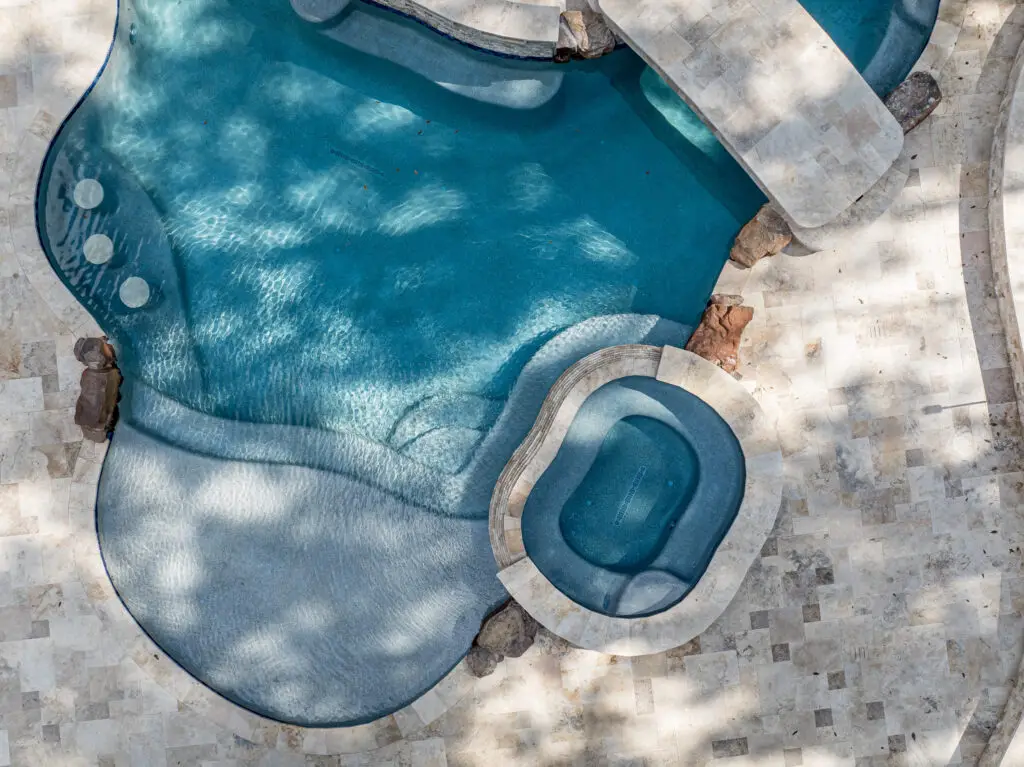
Travertine stone, a classic and versatile material, has stood the test of time, captivating homeowners and interior designers alike with its timeless beauty. Known for its elegance and natural variations, travertine adds a touch of sophistication to any space. With its warm tones and unique veining patterns, it effortlessly blends modern and traditional aesthetics.
The versatility of travertine is unmatched. Whether used as flooring, countertops, or even wall cladding, its neutral colors and earthy tones create a harmonious backdrop for any decor style. From rustic to contemporary, travertine adapts to your design vision, enhancing the overall ambiance of your space.
But its appeal isn’t limited to residential settings. Commercial spaces such as hotels and restaurants also benefit from travertine’s durability and aesthetic appeal. Its ability to withstand heavy foot traffic makes it a popular choice for high-traffic areas without compromising on style.
Discover the unparalleled elegance and versatility of travertine stone as we delve deeper into its unique characteristics and explore inspiring design ideas for incorporating this timeless beauty into your home or commercial project.
Discover the Timeless History and Origins of Travertine Stone Elegance of Marble Tiles
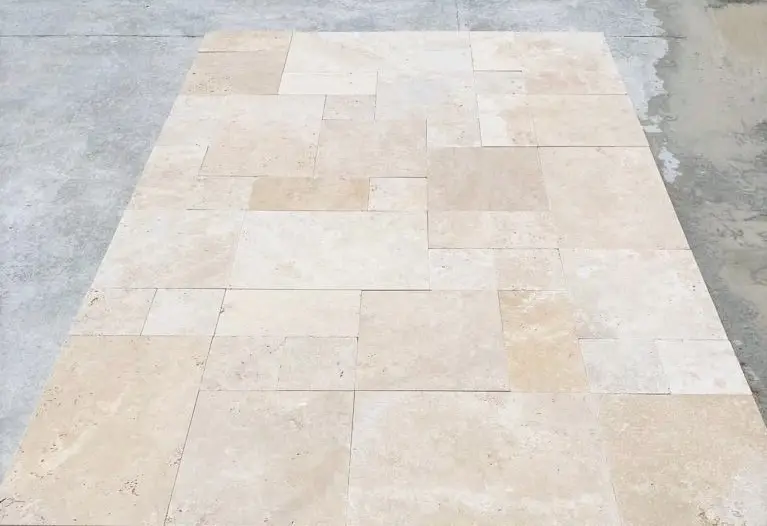
Travertine has a rich and storied history that dates back thousands of years, with its use tracing back to ancient civilizations. This natural stone formed from mineral deposits in hot springs and rivers, primarily found in regions with volcanic activity. The most famous source of travertine is the area around Tivoli, Italy, where the Romans utilized this stone extensively in their architectural masterpieces. The Colosseum and the Temple of Venus are just a few examples of structures that showcase the enduring qualities of travertine.
As the Romans spread their empire, they brought travertine with them, using it to build aqueducts, baths, and public buildings, demonstrating not only its aesthetic appeal but also its functionality. The stone’s ability to withstand the test of time made it a favored choice, and many of these ancient structures remain standing today. Travertine was not only a building material but also a symbol of status and luxury, often used in the grandest of designs that showcased wealth and power.
In the Renaissance period, travertine saw a revival as artists and architects sought to recreate the grandeur of the Roman Empire. The stone continued to be a preferred material in Italy, inspiring many to incorporate it into their designs. Its availability and unique characteristics also led to its use in various regions around the world, making it a truly global material that transcends cultural boundaries. Today, travertine remains a popular choice for both residential and commercial spaces, continuing its legacy as a timeless and beautiful option.
Properties and Characteristics of Travertine Stone
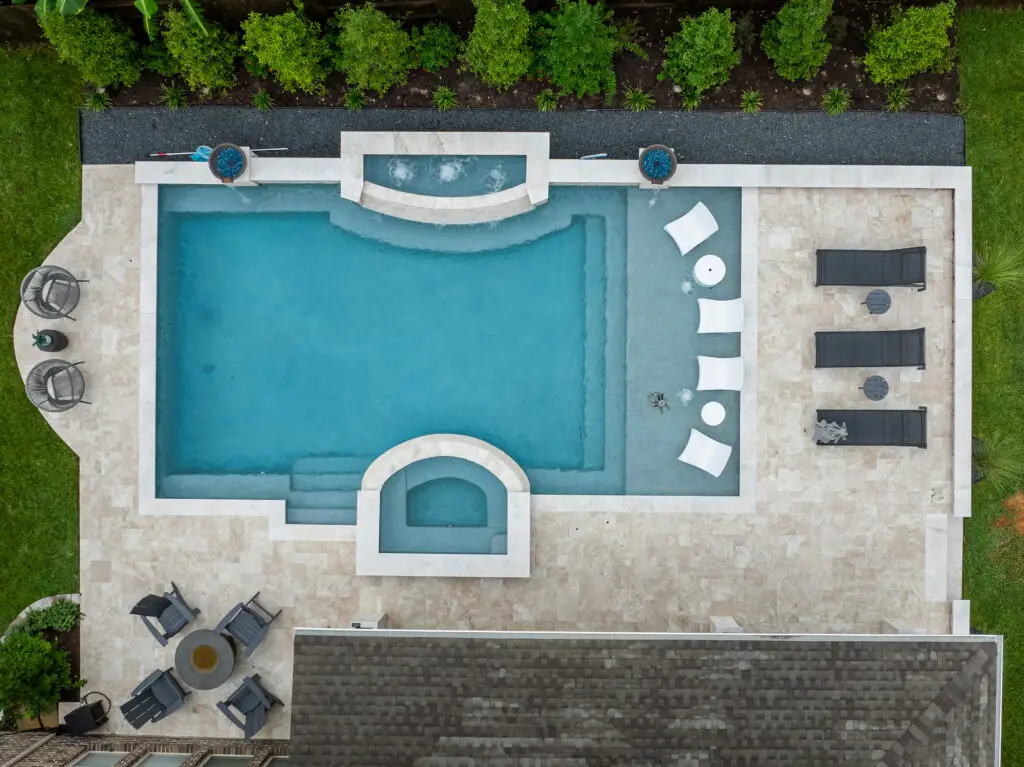
The allure of travertine Stone lies in its unique properties and characteristics that distinguish it from other natural stones. One of the most notable features is its porous structure, which results from the way it forms from calcium carbonate deposits. This porosity gives travertine its distinctive texture, allowing it to capture and reflect light in a way that enhances its natural colors and patterns. The stone typically comes in warm neutral shades, including beige, cream, and ivory, making it an excellent choice for various design aesthetics.
In addition to its visual appeal, travertine is renowned for its durability. It is a resilient material that can withstand the rigors of everyday use, making it suitable for both indoor and outdoor applications. Unlike some softer stones, travertine is less prone to scratching and chipping, allowing it to maintain its beauty over time. Furthermore, its thermal properties make it an ideal flooring option, as it remains cool to the touch even in warmer climates, providing comfort underfoot.
Another characteristic of travertine stone is its ability to blend seamlessly with other materials. Whether paired with wood, glass, or metal, travertine complements a variety of design elements, enhancing the overall aesthetic of a space. Its versatility extends to different styles, from rustic farmhouse designs to sleek modern interiors. Additionally, the unique veining and patterns found in each slab ensure that no two pieces are alike, offering a sense of individuality and personal expression in design.
The finish applied to travertine can significantly impact its appearance and functionality. There are several types of finishes available, each offering a distinct look and feel. The most common finishes for travertine include honed, polished, tumbled, and brushed. A honed finish provides a matte surface that is smooth to the touch, making it an excellent choice for flooring and countertops. This finish retains the stone’s natural color while offering a slip-resistant surface, ideal for high-traffic areas.
Polished travertine, on the other hand, features a glossy surface that enhances the stone’s natural colors and patterns. This finish is often used in areas where a more luxurious appearance is desired, such as in bathrooms or living spaces. However, it is important to note that polished surfaces can be more susceptible to scratches and may require more maintenance to keep them looking pristine. Despite this, the stunning visual impact of polished travertine can elevate the elegance of any space.
Tumbled travertine stone offers a more rustic and antique appearance, characterized by its textured surface and rounded edges. This finish is ideal for outdoor applications or spaces where a more casual, earthy aesthetic is desired. Brushed travertine combines the best of both worlds, providing a slightly textured surface that offers slip resistance while still showcasing the stone’s natural beauty. Each finish option opens up a world of design possibilities, allowing homeowners and designers to choose the right look for their individual projects.
The beauty of travertine stone extends beyond indoor applications, making it an excellent choice for outdoor spaces as well. Its durability and resistance to the elements allow it to thrive in various outdoor settings, from patios to pool areas. Travertine pavers are particularly popular for outdoor flooring, as they provide a slip-resistant surface that remains cool underfoot, even in direct sunlight. This property makes it a safe and comfortable choice for pool decks and outdoor entertaining areas.
In landscaping, travertine stone can be used to create stunning pathways, retaining walls, and garden features. Its natural appearance blends seamlessly with outdoor environments, enhancing the beauty of gardens and landscapes. The stone’s earthy tones and unique textures add visual interest and create a harmonious transition between indoor and outdoor spaces. Furthermore, travertine’s ability to withstand heavy foot traffic and exposure to the elements makes it a practical option for exterior applications.
Another way to incorporate travertine into outdoor spaces is through the use of decorative elements such as fountains or fire pits. These features not only serve functional purposes but also add a touch of elegance and luxury to outdoor areas. The versatility of travertine allows it to be cut and shaped into various designs, enabling homeowners to create personalized outdoor spaces that reflect their style. With its timeless beauty and practical benefits, travertine is a perfect choice for enhancing outdoor living areas.
To preserve the beauty and longevity of travertine, proper maintenance and care are essential. Due to its porous nature, travertine requires sealing to protect it from stains and moisture. A high-quality penetrating sealer should be applied upon installation and reapplied periodically, depending on the level of foot traffic and exposure to moisture. Regular sealing not only helps maintain the stone’s appearance but also prevents damage from spills and dirt accumulation.
Cleaning travertine is relatively straightforward, but specific care must be taken to avoid harsh chemicals that can damage the stone. A gentle pH-balanced cleaner or a mixture of warm water and mild soap is typically sufficient for routine cleaning. It is advisable to use a soft mop or cloth to avoid scratching the surface. For tougher stains, a mixture of baking soda and water can be applied, followed by a rinse with clean water. Promptly addressing spills is crucial, particularly with acidic substances like lemon juice or vinegar, as they can etch the stone.
In terms of long-term care, it is important to avoid using abrasive materials or tools when cleaning travertine stone. Regular sweeping and dusting will help prevent dirt from scratching the surface, while occasional deep cleaning can help maintain its luster. For outdoor travertine, seasonal maintenance may include clearing debris and checking for any signs of wear or damage. By following these care guidelines, homeowners can ensure that their travertine remains a beautiful and enduring feature of their spaces.
When considering travertine stone for your home or commercial project, it is essential to weigh its pros and cons in comparison to other natural stones. One of the primary advantages of travertine is its aesthetic appeal. With unique veining and a warm color palette, it adds elegance and sophistication to any space. Additionally, its porous nature allows for excellent slip resistance, making it a safer option for areas prone to moisture, such as bathrooms and kitchens.
Another benefit of travertine stone is its durability. While not as hard as granite, it is still a resilient stone that can withstand heavy foot traffic and the elements. Unlike marble, which can be more susceptible to scratching and staining, travertine is less prone to damage, making it suitable for both indoor and outdoor applications. Its versatility in design and ability to complement various styles further enhance its appeal.
However, there are some drawbacks to consider. Travertine Stone’s porous nature means it requires regular sealing to protect against moisture and stains. This maintenance can deter some homeowners who prefer a low-maintenance option. Additionally, while travertine is durable, it can still be susceptible to chips and cracks, particularly in high-traffic areas. Compared to harder stones like granite or quartzite, travertine may not hold up as well in certain applications. Ultimately, the decision to use travertine will depend on individual preferences and the specific needs of the space.
Conclusion: The Enduring Appeal of Travertine Stone
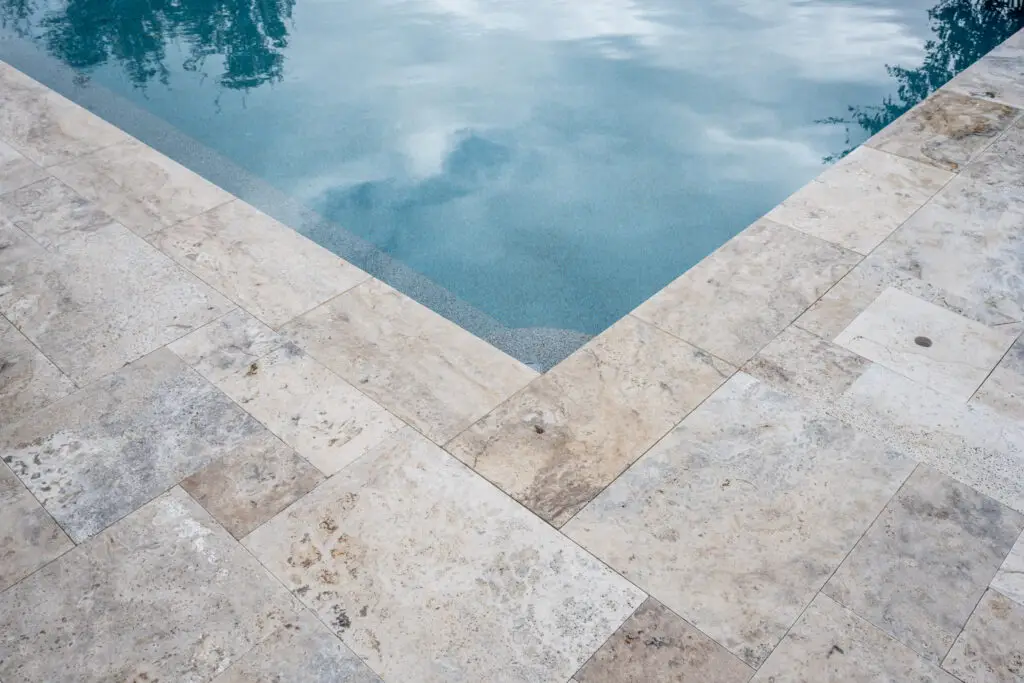
In conclusion, travertine stone embodies a timeless beauty that continues to captivate homeowners and designers alike. Its rich history, unique properties, and versatile applications make it a sought-after material for both residential and commercial projects. The ability of travertine to blend seamlessly with various design styles, from rustic to modern, further enhances its appeal, allowing for creative expression in any space.
The durability and resilience of travertine ensure that it can withstand the test of time, making it a practical choice for flooring, countertops, and outdoor applications. With proper maintenance and care, travertine can retain its stunning appearance for years to come. As a natural stone, each piece offers its own individuality, creating a personalized touch that enhances the beauty of any environment.
As you explore the possibilities of incorporating travertine into your home or commercial project, consider its timeless elegance and versatility. Whether you choose it for its aesthetic value or practical benefits, travertine is sure to make a lasting impression, embodying a legacy of beauty and sophistication that continues to resonate through the ages.
Transform Your Space with Elegant Travertine Stone
Tell us what you are looking for and we will get right back to you.
We Are Miami's #1 Source For Stone Tiles, Pavers, Mosaics, Copings, Veneers, and Accessories.
We usually get right back to all inquiries, but please allow 24 to 48 hours for a response.